Cambrian Fossil Bonanza Reshapes Our Understanding of Early Life
A World Dominated by Oceans
Roughly 540 million years ago, at the dawn of the Cambrian Period, Earth was a vastly different place. The planet was largely covered by shallow seas, and the few landmasses that existed were barren, devoid of plants and animals. Life, though abundant, was confined to the oceans and took forms that strike us as both alien and strangely familiar.
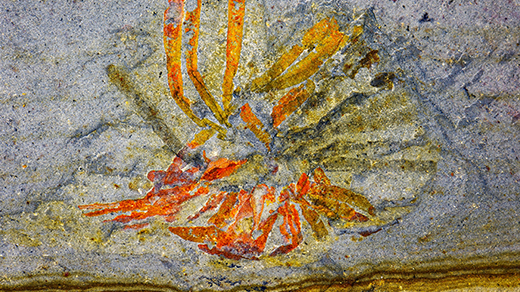
Strange Denizens of the Cambrian Seas
Among the most peculiar inhabitants of these ancient waters were small, phallic-looking worms now known as priapulids. These creatures burrowed through ocean-floor sediments, hunting for organic matter and smaller prey. Their unusual shape and predatory lifestyle made them a common sight in Cambrian ecosystems.
Another remarkable group were the anomalocaridids—blind, swimming beasts that propelled themselves through the water with flaps along their bodies. They captured prey using whip-like tentacles that extended from a circular mouth, a feeding strategy unlike any modern animal. These apex predators grew up to a meter in length, dominating the Cambrian food chain.
The Significance of Exceptional Fossil Preservation
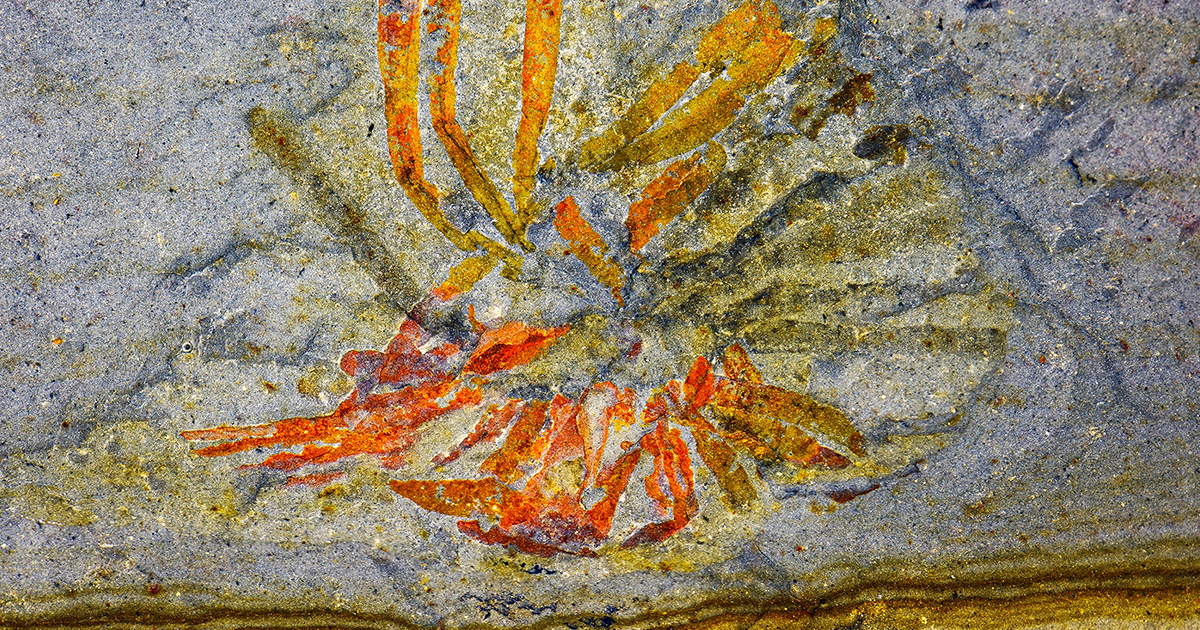
Understanding these bizarre life forms is possible thanks to extraordinary fossil deposits that preserve soft tissues, not just hard shells. Sites like the Burgess Shale in Canada and the Chengjiang fauna in China have yielded thousands of specimens, revealing details of internal organs, limbs, and even gut contents. These Konservat-Lagerstätten (deposits of exceptional preservation) offer a window into a world otherwise lost to time.
Early Mollusks and Sponges
Alongside the more outlandish creatures, early versions of familiar groups also flourished. Primitive mollusks, such as the halkieriids, bore armored plates and spicules, while sponges built simple structures on the seafloor. Jellyfish drifted above, their gelatinous bodies leaving only faint impressions in the sediment. These organisms represent the earliest ancestors of many animal phyla we know today.
Rewriting the Story of Animal Evolution
The Cambrian fossil bonanza has forced scientists to rethink the timeline of life's diversification. Previously, it was thought that animal evolution happened gradually over hundreds of millions of years. But the sudden appearance of so many complex body plans in a relatively short geological interval—the Cambrian explosion—suggests a rapid burst of evolutionary innovation.
Studies of these fossils have also revealed unexpected ecological complexity. Predation, burrowing, and filter feeding were already well established, and ecosystems featured intricate food webs. This challenges earlier views of Cambrian seas as simple, quiet environments. Instead, they were dynamic arenas of competition and adaptation.
Implications for Modern Biology
By examining the anatomy and development of these ancient creatures, paleontologists can trace the origins of key evolutionary innovations, such as the development of complex eyes, nervous systems, and segmentation. These findings not only illuminate the deep past but also inform our understanding of how life might evolve on other planets.
In conclusion, the treasure trove of Cambrian fossils continues to yield new insights, rewriting the story of early life with every fresh discovery. For more on this topic, see A World Dominated by Oceans or Strange Denizens.
Related Articles
- How to Think in Finite Terms: A Step-by-Step Guide to Embracing a Discrete Universe
- How Microsoft Discovery Is Transforming R&D with Agentic AI
- How to Deploy Agentic R&D Workflows with Microsoft Discovery: A Step-by-Step Guide
- Samsung's Massive Galaxy Z Fold 7 Discount: 7 Things You Need to Know This Mother's Day
- 5 Ways Climate Change Could Spark Hantavirus Outbreaks in Argentina
- Master Your Overstimulation: A Step-by-Step Guide to Regaining Calm During a Hectic Day
- Python Environments Extension for VS Code: April 2026 Update - Q&A
- The Phantom Mathematicians: How a Secret French Group Reshaped Math for a Century