5 Ways Climate Change Could Spark Hantavirus Outbreaks in Argentina
As climate change continues to reshape weather patterns across South America, a new threat is emerging: the expansion of hantavirus-carrying rodents into previously unpopulated regions. Recent models predict that this spread will increase the likelihood of outbreaks in Argentina. Understanding the dynamics of this disease is crucial for public health preparedness. Here are five critical things you need to know.
1. Hantavirus: The Disease and Its Impact
Hantavirus is a severe, often fatal respiratory illness. It causes Hantavirus Pulmonary Syndrome (HPS), with symptoms including fever, muscle aches, and shortness of breath. In Argentina, the mortality rate can exceed 30%, making early detection essential. The virus primarily affects the lungs, leading to fluid accumulation and respiratory failure. Understanding its pathogenesis helps highlight why preventing rodent exposure is critical. While current outbreak locations are patchy, the projected expansion of rodent habitats could bring the virus into urban fringes and rural communities with limited healthcare access.
2. How Rodents Transmit the Virus
Rodents shed the virus through their droppings, urine, and saliva. Humans typically inhale aerosolized particles when cleaning or disturbing contaminated areas. While some rodent species are chronic carriers without symptoms, others experience disease. In Argentina, the long-tailed pygmy rice rat (Oligoryzomys longicaudatus) is a key reservoir. Transmission does not require direct contact—simply entering a shed where mice have nested can lead to infection. This indirect route makes control difficult, especially in regions where rodents thrive due to mild winters and increased food supplies.
3. The Model: Predicting Rodent Range Shifts
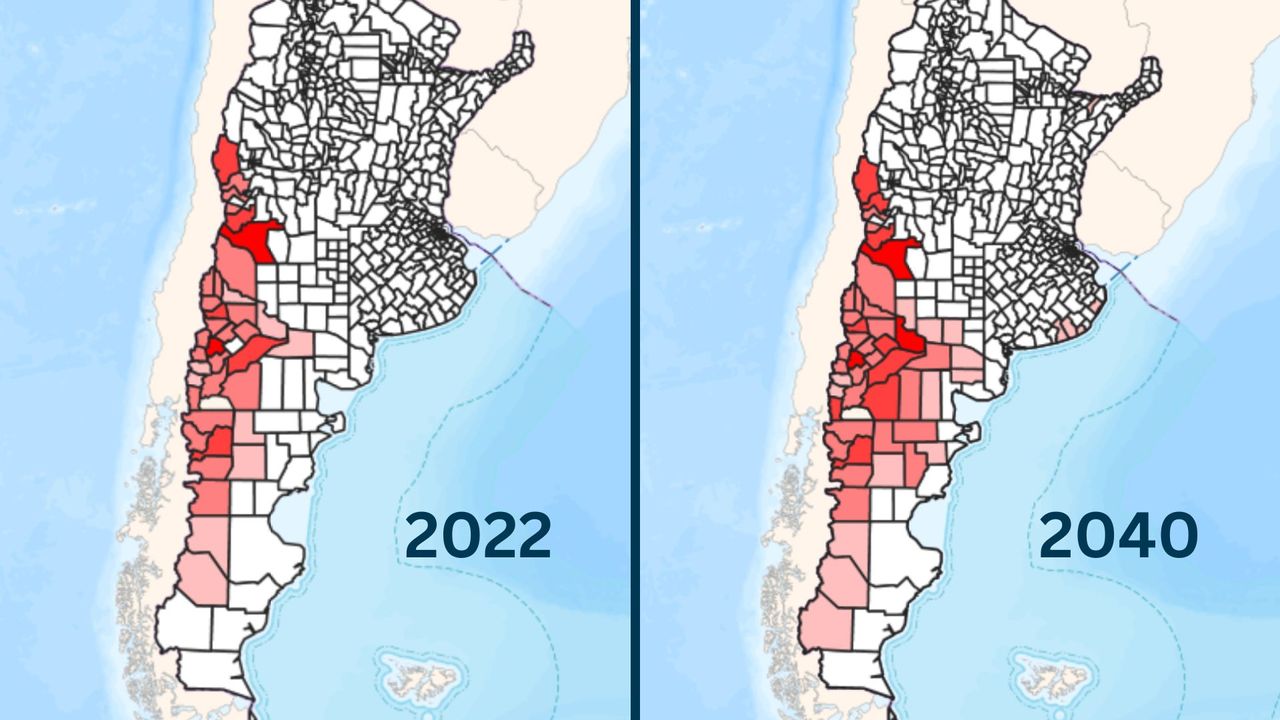
Researchers used ecological niche modeling to forecast where virus-carrying rodents might move. The model accounts for climate variables such as temperature and precipitation and projects suitable habitats under future scenarios. The findings indicate that areas in northern and central Argentina may become new hotspots as warmer conditions allow rodents to colonize higher latitudes and altitudes. This is not just about rodent migration—it's about the intersection of rodent ecology and human settlement. The model helps identify regions that need enhanced surveillance and public education before outbreaks occur.
4. Climate Change Driving Expansion
Climate change alters the fundamental resources rodents need: food and shelter. Warmer temperatures extend growing seasons, increasing seed and insect availability. Shifts in precipitation can create lush vegetation that supports denser rodent populations. Additionally, extreme weather events like floods may force rodents into homes and barns, raising human exposure risk. Argentina's varied geography—from the Andes to the Pampas—means these changes are not uniform. The model suggests that even moderate warming could double the area where hantavirus risk persists, challenging existing control programs.
5. What You Can Do to Stay Safe
Prevention starts with rodent-proofing homes and workplaces. Seal cracks, store food in rodent-proof containers, and clear clutter. If you find rodent droppings, never sweep or vacuum—instead, wet the area with bleach solution and wipe carefully. Outside, keep woodpiles away from buildings and maintain clean gardens. Public health campaigns in high-risk provinces emphasize avoiding camping in undisturbed areas. Should symptoms appear, seek immediate medical care and mention possible rodent exposure. Early supportive care in a hospital with intensive care capabilities is life-saving. As rodents expand their range, these practices become even more important.
In conclusion, climate change is not just a distant environmental issue—it is reshaping disease landscapes right now. The expansion of hantavirus-carrying rodents in Argentina is a stark reminder that we must adapt. By understanding the modellings and taking proactive steps, communities can reduce future outbreak risks. Stay informed, stay vigilant, and stay safe.
Related Articles
- Motorola Razr Fold vs. Samsung Galaxy Z Fold 7: 10 Key Differences That Make One a Clear Winner
- SpaceX's Starship V3: 5 Key Facts About the Tallest Rocket Ever Built
- Amazon WorkSpaces Unleashes AI Agents on Legacy Desktop Apps Without APIs
- Scientists Discover Key Protein Switch That Could Halt Alzheimer's Brain Damage
- 10 Critical Flaws Behind VECT Ransomware's Accidental Wiper Behavior
- How to Maximize Samsung Galaxy Apps in a Stagnant Ecosystem
- The Case for Detailed Climate Data in Corporate Resilience Planning
- How Scientists Discovered the Juan de Fuca Plate Is Tearing Apart Under the Pacific Northwest