How VR Headsets Are Transforming Career Awareness for Young Students in Rural North Dakota
In a state where the nearest job site might be hours away, North Dakota is pioneering a high-tech solution to give students an early look at their future careers. By investing in virtual reality (VR) headsets and career-focused software, the state aims to spark interest in local industries among even elementary school students. This approach not only overcomes geographical barriers but also challenges misconceptions about fields like manufacturing. Here are five key insights into how this program is reshaping career exploration for North Dakota's youth.
1. Overcoming Rural Travel Barriers to Explore Careers
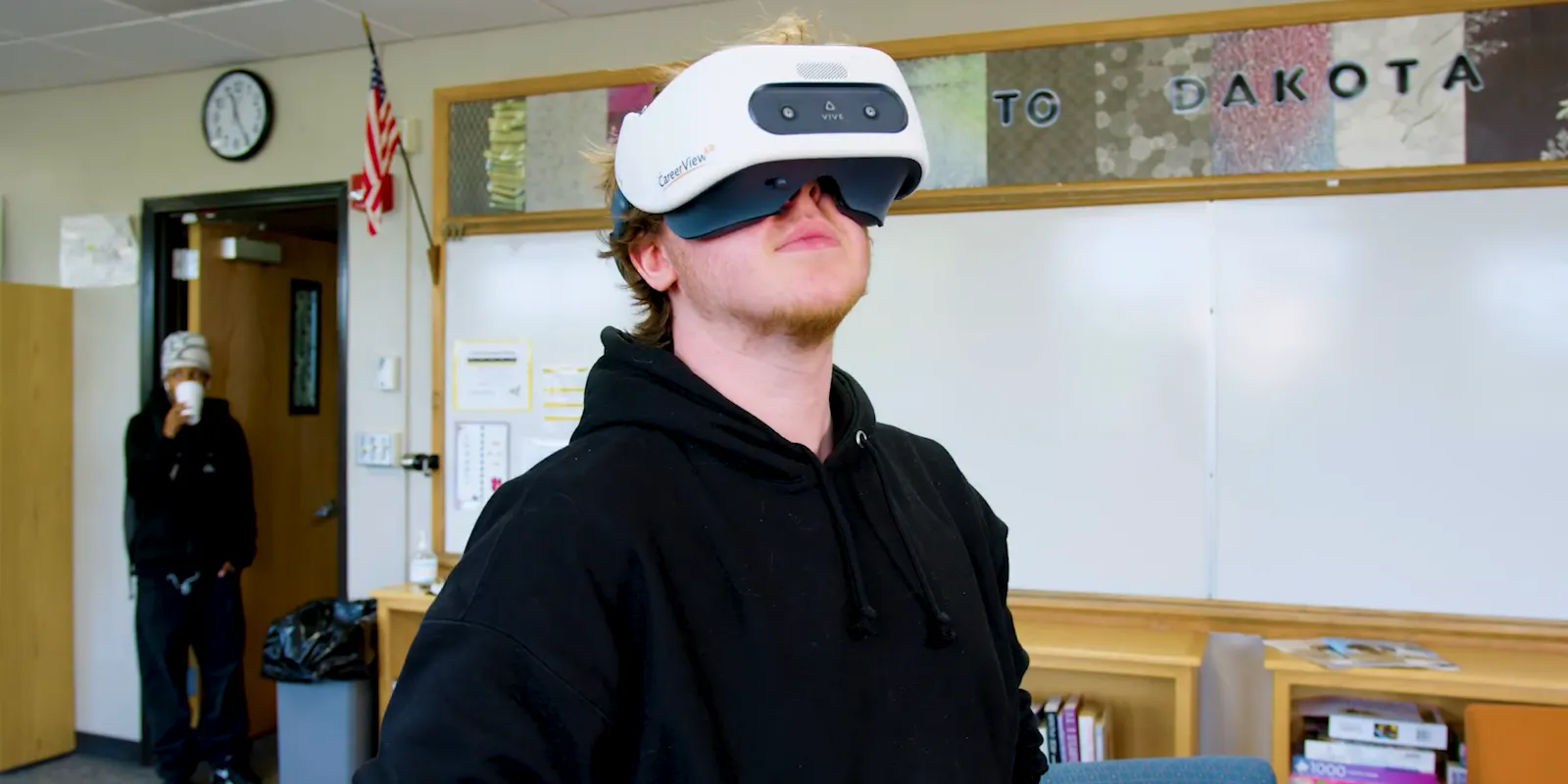
For students in rural North Dakota, visiting a real wind turbine or emergency room is often impractical. Mackenzie Tadych, director of a local college career and readiness program, notes that a field trip can require a four-hour round trip on a bus. The VR program eliminates this hurdle by bringing immersive experiences directly to the classroom. Students can virtually stand atop a 300-foot turbine or observe surgical procedures without leaving their school. This immediacy allows for frequent, low-cost exposure to diverse career paths, helping students build awareness at a younger age. As Wayde Sick, state director for career and technical education, explains, VR provides the first glance at what's out there without sacrificing entire school days to travel.
2. State Investments Make VR Accessible Across All Grades
The initiative began in 2023 after the North Dakota legislature allocated $500,000 to purchase VR headsets for middle and high schools. The program quickly expanded to include all elementary schools by late last year. This financial commitment ensures that even the youngest students can explore careers through 118 different modules developed by Fargo-based CareerViewXR. The modules cover everything from auto body repair to advanced manufacturing, giving students a hands-on sense of potential professions. While traditional career aptitude tests remain in use, VR adds a visual and interactive layer that helps students literally visualize their futures. This statewide approach demonstrates how targeted funding can modernize career education in under-resourced areas.
3. Direct Employer Collaboration Enhances Real-World Relevance
Unlike generic career videos, North Dakota's VR program works directly with local employers to design realistic simulations. This partnership ensures that the scenarios reflect actual job conditions and address local workforce needs. For instance, students can explore a wind turbine technician's day or learn what it's like to assemble electronic components. By showcasing industries that students might otherwise overlook—such as precision agriculture or energy—the program helps dispel myths and sparks genuine interest. As a result, students gain a clearer picture of the opportunities available right in their state, which can influence their educational choices and eventually boost local employment.

4. Mobile Vans Bring VR to Every Corner of the State
Career exploration coach Ann Pollert operates a mobile van stocked with seven VR headsets, traveling across six northeastern counties. She works with about five students at a time, tailoring guidance based on their interests. Pollert, a former diesel technician recruiter, appreciates how VR transforms her presentations. Instead of giving a 50-minute lecture, she can show students what it means to replace an excavator or work in an auto body shop. The headsets help her identify which students need further encouragement to pursue technical fields. Importantly, this model supplements—not replaces—career counselors, providing a flexible, hands-on tool that meets students where they are.
5. Early Engagement Cultivates a Future-Ready Workforce
The ultimate goal of the VR investment is to engage students at a younger age, developing awareness of careers available in North Dakota long before they make high school course selections. By allowing fourth graders to explore diverse fields, the program plants seeds for future study and employment. The state hopes that early exposure will lead to higher retention of local talent in industries like healthcare, manufacturing, and energy. Feedback from educators indicates that VR helps students connect classroom learning to real-world applications, making abstract concepts tangible. As the program continues to expand, it may serve as a model for other rural states seeking to give their children a competitive edge in the modern workforce.
From a one-room schoolhouse to a wind farm, VR is bridging the gap between curiosity and career. North Dakota's innovative approach proves that technology, when thoughtfully applied, can overcome geography and inspire the next generation. For students in rural areas, these virtual experiences offer a real glimpse into a promising future.
Related Articles
- Breaking Down Real-Time Data: Apache Flink Series Unveils Recommendation Engine Build
- How to Build Job-Ready Skills with Coursera's New AI, Finance, and Leadership Specializations
- A Step-by-Step Guide to KV Cache Compression Using TurboQuant
- From Zero to Agent: A Self-Taught Coder's Quest to Build a Leaderboard-Breaking AI
- Navigating the Spectrum Crunch: The Imperative of RF Coexistence Testing
- Rebuilding America's Outbreak Response: A Guide to Strengthening Contagious Pathogen Surveillance
- 10 Essential Java Techniques for Converting Between ByteBuffer and Byte Arrays
- Stop Wasting Time on Setup: How Grafana Assistant Pre-Learns Your Infrastructure for Instant Troubleshooting