Corolla Hybrid vs Civic Hybrid: Which Compact Sedan Offers Better Value?
When shopping for a compact hybrid sedan, the Honda Civic Hybrid and Toyota Corolla Hybrid are two of the most popular and practical choices. Both offer excellent fuel efficiency, reliability, and everyday usability without the bulk of an SUV. While each has its strengths, a closer look reveals why many buyers find the Corolla Hybrid to be the smarter investment.
At a Glance: Key Differences
Before diving into details, it’s worth noting the fundamental differences. The Corolla Hybrid prioritizes maximum fuel economy and lower upfront cost, while the Civic Hybrid offers more power and a slightly more refined interior. But when you weigh total ownership costs and efficiency, the Corolla often comes out ahead.
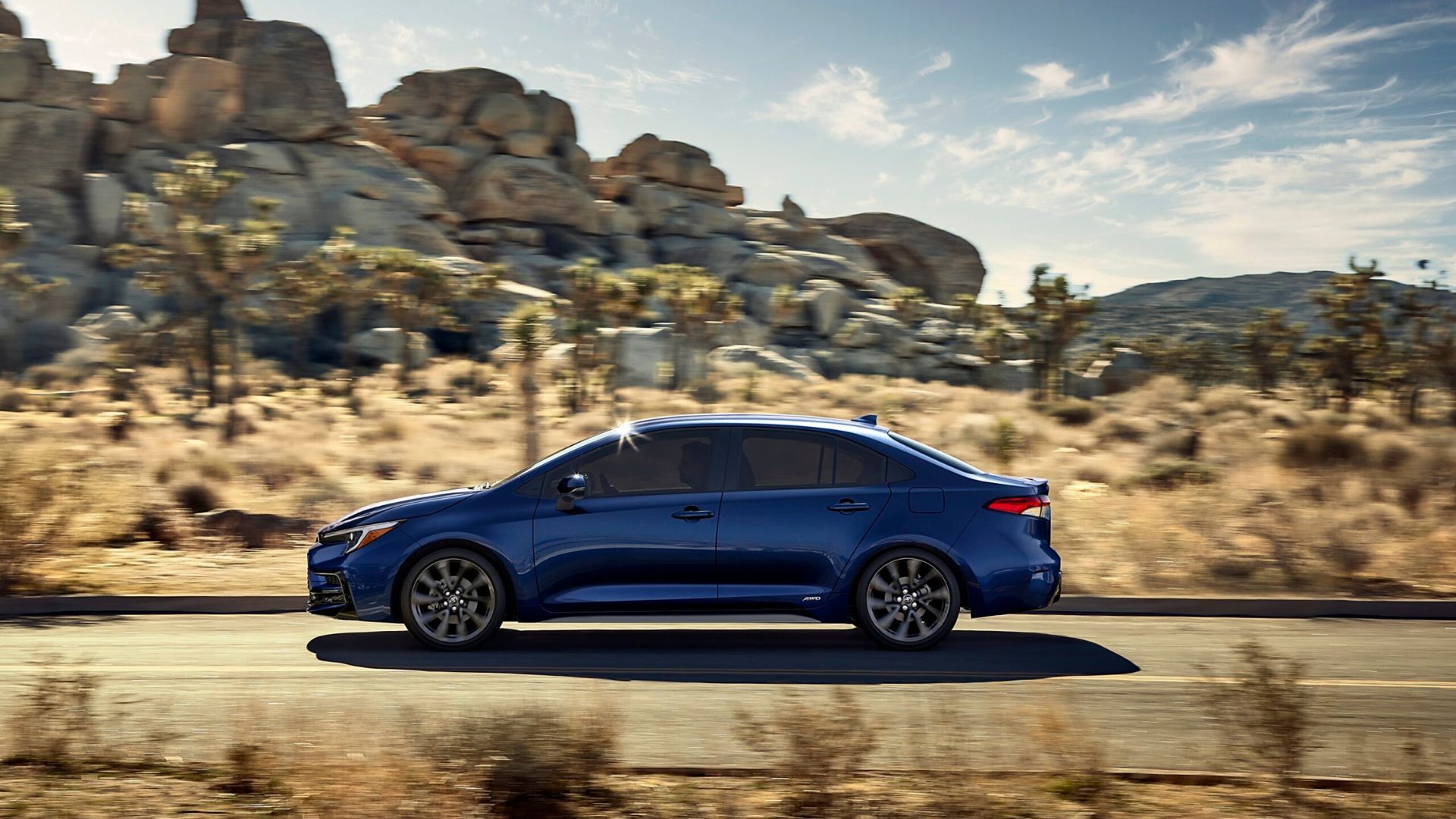
Fuel Economy: The Corolla Hybrid Takes the Lead
One of the main reasons to choose a hybrid is to save at the pump. The Corolla Hybrid achieves an EPA-estimated 53 mpg in the city and 52 mpg on the highway, giving it a combined rating of 53 mpg. In contrast, the Civic Hybrid manages around 50 mpg city and 45 mpg highway, for a combined 47 mpg. That difference adds up over a year, especially for city drivers.
Moreover, the Corolla’s hybrid system is more refined in stop-and-go traffic, seamlessly switching between electric and gas power. The Civic’s system, while smooth, occasionally feels less efficient in similar conditions.
Price and Value: Lower Starting Point for Corolla
The Corolla Hybrid starts at roughly $24,000, significantly undercutting the Civic Hybrid’s base price of around $27,000. For budget-conscious buyers, that $3,000 difference is substantial. Even when adding options like the Corolla’s LE or XLE trims, the total remains lower than a comparable Civic.
Additionally, the Corolla Hybrid qualifies for the full federal tax credit on qualified plug-in models? No, it’s a conventional hybrid, so it doesn’t. However, its lower MSRP still makes it more affordable upfront. The Civic Hybrid offers more standard features at its base trim, but the Corolla provides better value for money when considering long-term savings on fuel.
Reliability and Resale Value: Toyota’s Proven Track Record
Toyota has a legendary reputation for reliability, and the Corolla Hybrid is no exception. It shares its powertrain with the Prius, a vehicle known to last 200,000 miles or more with minimal issues. Honda also builds reliable cars, but the Civic Hybrid has had a few more recalls and service bulletins related to its hybrid system.
Resale value is another factor. After five years, the Corolla Hybrid retains roughly 55% of its original value, while the Civic Hybrid retains about 50%. That means even though you pay less upfront, you get more back when you sell or trade in.
Interior and Technology: Civic Is Nicer, but Corolla Is Practical
The Civic Hybrid’s cabin is more upscale, with soft-touch materials and a modern design. Its infotainment system includes a 9-inch touchscreen with wireless Apple CarPlay and Android Auto. The Corolla Hybrid has a simpler interior, with hard plastics and an 8-inch touchscreen. However, it still offers Apple CarPlay and Android Auto, plus a comprehensive suite of safety features as standard, including Toyota Safety Sense 3.0.
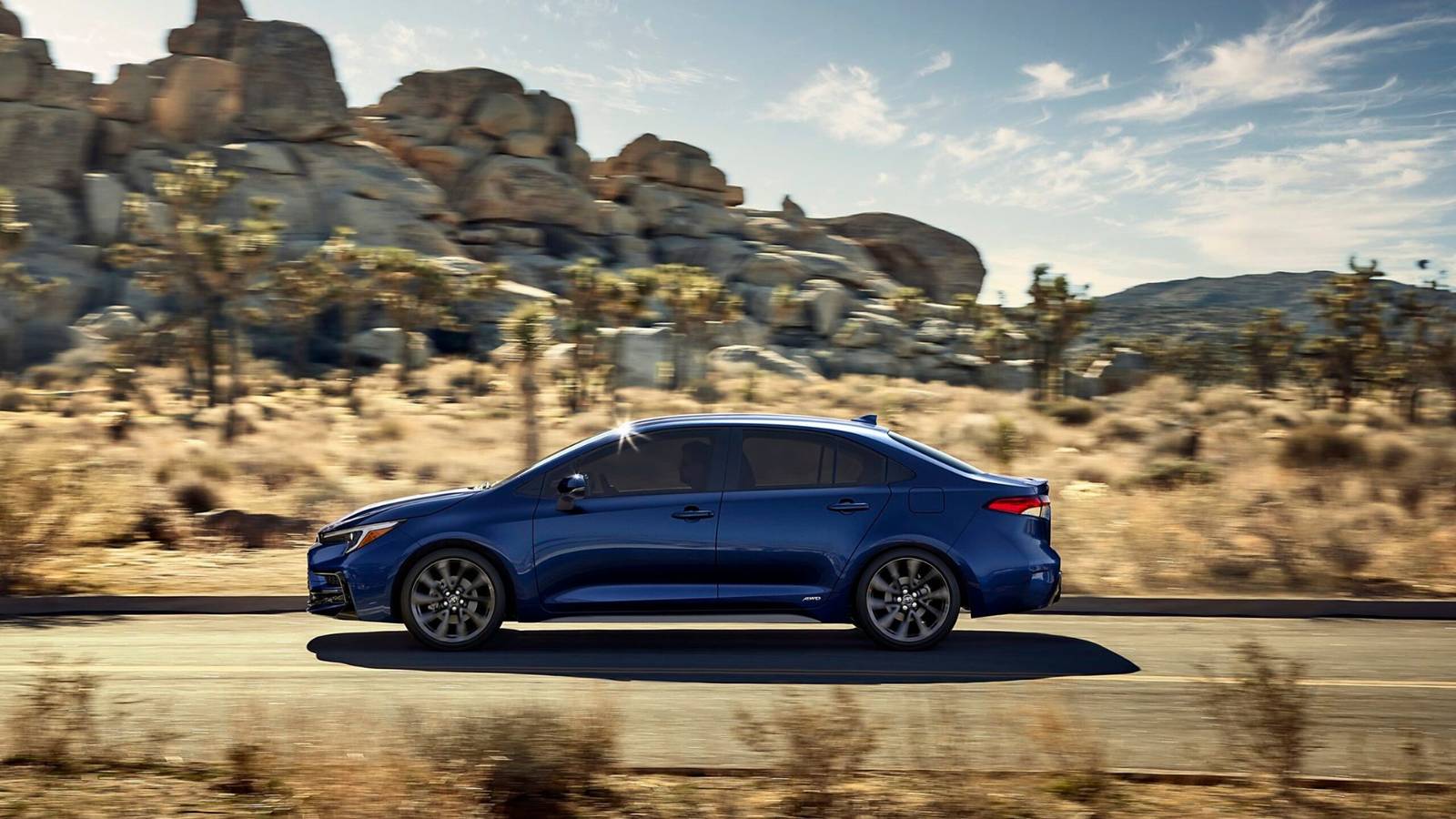
For daily commuting, the Corolla’s interior is comfortable and functional. The Civic’s extra luxury might appeal, but it comes at a higher price. If you prioritize practicality over premium feel, the Corolla is the better value.
Driving Experience: Balanced vs. Sporty
The Civic Hybrid delivers 200 horsepower, making it quicker and more engaging to drive. Its handling is sharper, and the ride is more composed at highway speeds. The Corolla Hybrid makes 138 horsepower, which is adequate for city driving but feels sluggish on the highway. It prioritizes efficiency over performance.
However, for most buyers, the Corolla’s fuel savings outweigh the need for speed. The Civic’s extra power is fun but unnecessary for daily commutes. The Corolla’s smooth, quiet operation in electric mode makes it ideal for urban environments.
Maintenance and Ownership Costs
Both cars require regular maintenance like oil changes and tire rotations, but the Corolla Hybrid has lower average repair costs. Toyota’s hybrid components are proven and less expensive to replace. Honda parts are generally more expensive. Furthermore, Toyota offers a 3-year/36,000-mile bumper-to-bumper warranty and 5-year/60,000-mile powertrain warranty, similar to Honda. But Toyota’s hybrid battery warranty is often longer, up to 10 years/150,000 miles in some regions.
Verdict: The Smarter Buy Is Clear
While the Honda Civic Hybrid is a great car with a nicer interior and more power, the Toyota Corolla Hybrid wins for value. It offers superior fuel economy, a lower purchase price, higher resale value, and legendary reliability. For drivers focused on efficiency and economy, the Corolla Hybrid is the smarter, more practical choice. Check out the fuel economy and price comparison sections for more details.
Related Articles
- Microsoft-Backed Study Declares $549 Windows Laptop Outperforms MacBook Neo in Key Areas
- 8 Ways Designers Can Redefine Success for Ethical Design
- docs.rs Default Targets: Upcoming Changes and How to Adapt
- Stratum V2 and Merge-Mining: How DMND and RootstockLabs Are Empowering Bitcoin Miners
- 5 Key Developments in the Microsoft Israel Ethics Investigation and Leadership Exit
- EU's Scaleup Europe Fund Places First Major Bet on UK Quantum Startup with $160M Investment
- The Banksy Enigma: Unraveling the Message Behind the Blinded Businessman Statue
- Dune Analytics Restructures: 25% Workforce Reduction, Pivot to AI and Institutional Data Services