Rural Texas County Imposes Year-Long Data Center Moratorium Amid Legal Uncertainty
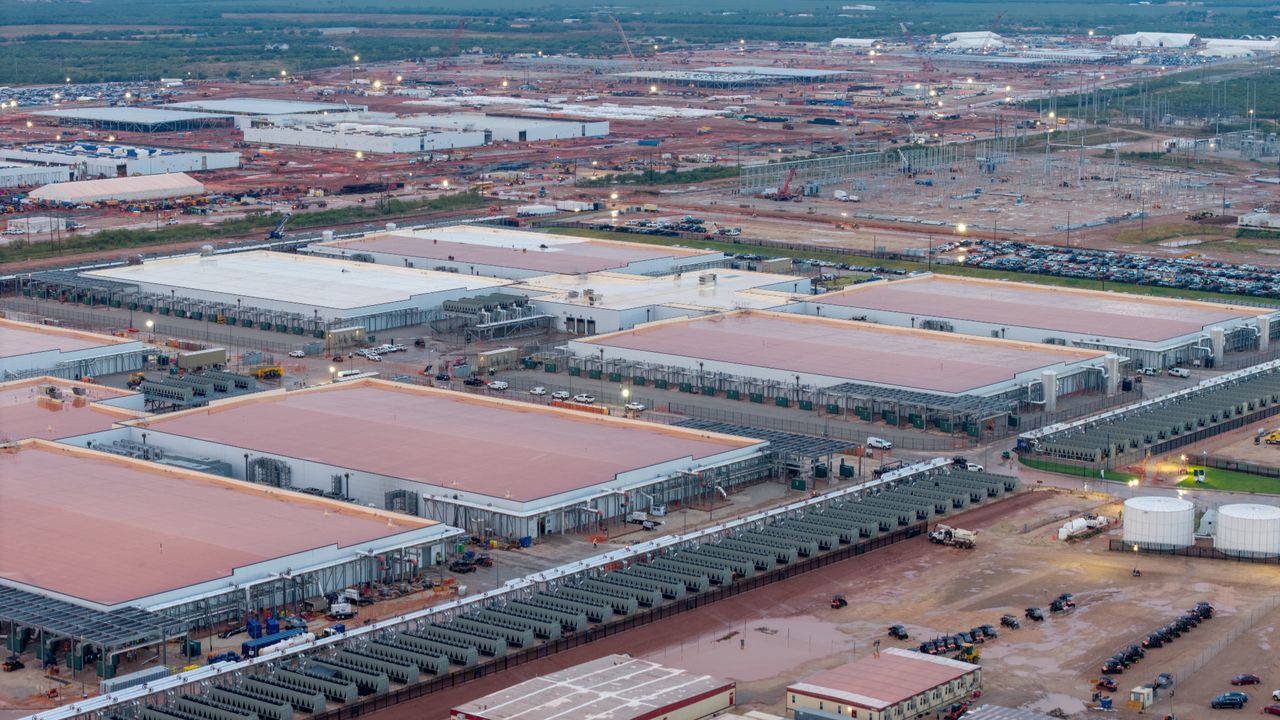
In a move that highlights the growing tension between rural communities and the rapid expansion of data centers, Hill County, Texas, has enacted a one-year moratorium on new data center projects. The ban, aimed at giving local authorities time to study the potential impacts on the community, comes as artificial intelligence-driven data centers increasingly seek out remote areas to bypass stricter regulations. However, the decision has sparked legal warnings and drawn scrutiny from state lawmakers, raising questions about the limits of local control over such developments.
Hill County's Moratorium and Its Rationale
Studying Community Impacts
The Hill County Commissioners Court unanimously approved the one-year ban, which halts all new data center projects within the county's rural areas. Officials cited concerns over water usage, energy demands, and potential strain on local infrastructure as key reasons for the pause. During the moratorium, county planners and experts will assess how data centers could affect everything from property values to the environment, ensuring that any future development aligns with community needs.
The Legal Challenges Ahead
County Attorney's Warning
Despite the unanimous vote, Hill County Attorney Jeff Davis issued a stark caution: the moratorium could invite lawsuits. In a statement, Davis noted that while the county has the authority to regulate land use, a blanket ban may conflict with state laws protecting property rights and economic development. He advised commissioners to prepare for potential legal battles from data center developers who argue the ban exceeds local jurisdiction.
State Senate Involvement
The controversy has reached the Texas capital. State Senator Charles Perry, who represents the region, sent a letter to the Texas Attorney General requesting an investigation into counties—including Hill—that have imposed data center moratoriums. Perry argued that such bans may violate state statutes designed to encourage infrastructure investment and could set a dangerous precedent. The Attorney General's office has not yet announced whether it will pursue the matter.
Broader Context: AI Data Centers and Regulatory Evasion
Why Rural Areas?
The rise of artificial intelligence has fueled an insatiable demand for computing power, driving tech companies to build massive data centers. Many have turned to rural counties like Hill—located about 60 miles south of Dallas—where land is cheap and zoning laws are lax. However, critics say this trend allows companies to avoid environmental and regulatory oversight common in urban areas, shifting the burden onto communities with limited resources to handle large-scale industrial projects.

Similar Bans in Other Texas Counties
Hill County is not alone. A handful of other Texas counties, including nearby rural jurisdictions, have enacted temporary bans or strict zoning requirements on data centers. For instance, Ellis County approved a six-month moratorium in early 2025, citing similar concerns. These local actions reflect a growing pushback against the unregulated spread of data center campuses, which often require enormous amounts of water for cooling and electricity from the grid, potentially straining local utilities.
The Stakes for Local Communities and the Tech Industry
The outcome of Hill County's moratorium—and the legal challenges it faces—could have far-reaching implications. For rural communities, the question is whether they can balance economic development with quality of life. Data centers promise jobs and tax revenue, but they also bring noise, traffic, and environmental costs that can outweigh benefits. For the tech industry, the specter of local bans could complicate expansion plans, especially as AI workloads continue to explode.
As the one-year clock ticks, Hill County officials will weigh research and public input before deciding whether to extend, modify, or lift the ban. Meanwhile, developers and their attorneys are likely watching closely—and may already be preparing court filings. The case underscores a broader debate: when local governments try to regulate emerging technologies, who ultimately decides what's allowed?
This article is for informational purposes only and does not constitute legal advice.
Related Articles
- Courtroom Showdown: Greg Brockman's $30 Billion OpenAI Stake and the Fight Over the Company's Mission
- Decoding the Legal Battle: Apple vs. India's Antitrust Watchdog Over Financial Data Access
- Apple Hit With 30+ Lawsuits Alleging AirTag Stalking Failures
- Reclaiming Your Digital Privacy: A Guide to Removing Personal Data from the Web
- Your Step-by-Step Guide to Accessing the 9to5Mac Daily Podcast and Catching Apple's Q2 Earnings Report
- A Step-by-Step Guide to the First Week of Musk's $130 Billion Lawsuit Against OpenAI
- 8 Crucial Reasons Why the Open Social Web Depends on Section 230
- 10 Key Facts About the LinkedIn 'Who Viewed Your Profile' GDPR Complaint