Gemini Intelligence vs. Apple Siri: Who Will Deliver on AI Promises?
Google recently unveiled Gemini Intelligence, a suite of AI features, just weeks before Apple's WWDC event where Apple Intelligence is expected to take center stage. This timing is no coincidence—both tech giants are racing to dominate the AI landscape. But can either company truly deliver on their bold promises? This Q&A explores the key questions around these announcements, the challenges ahead, and what it means for users.
What is Gemini Intelligence and when was it announced?
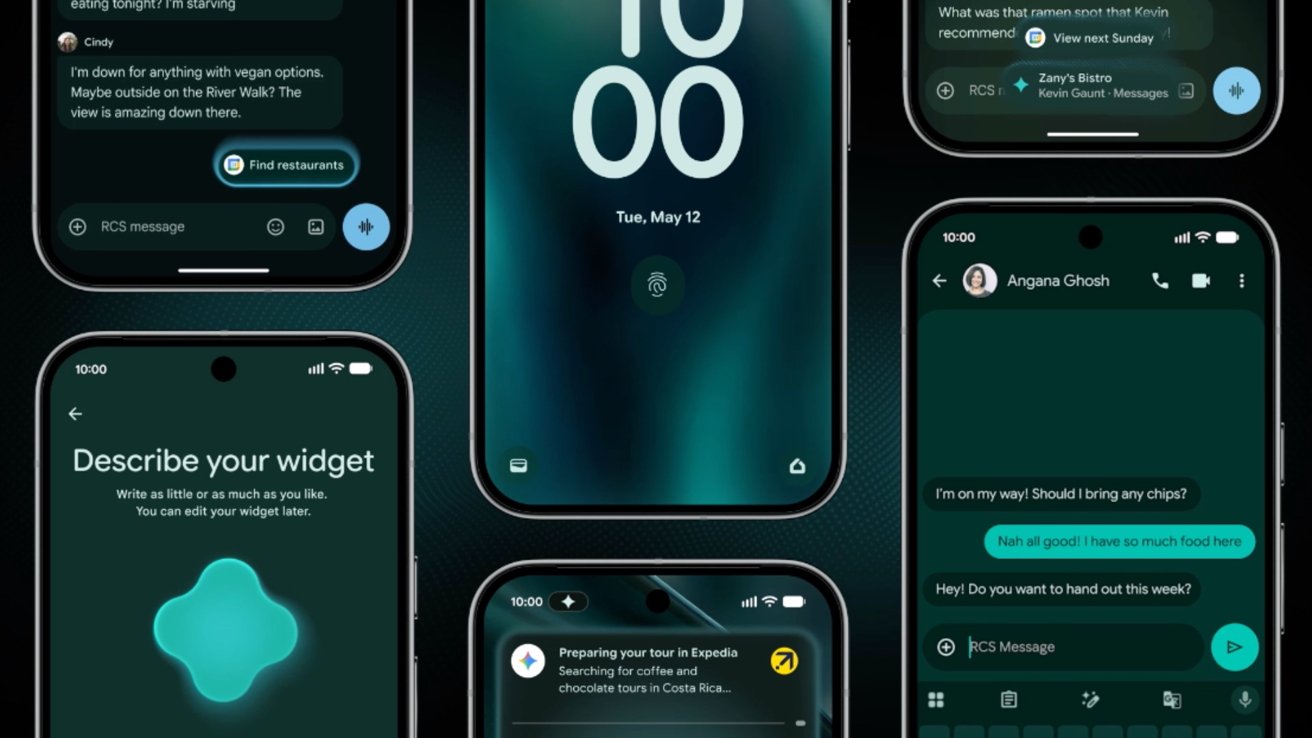
Google announced Gemini Intelligence during a live stream event on May 12, 2026. This new suite of AI features aims to integrate advanced machine learning capabilities across Google's ecosystem, including search, Android, and cloud services. The announcement came less than a month before Apple's Worldwide Developers Conference (WWDC) scheduled for June 8, 2026. By launching Gemini Intelligence first, Google is attempting to steal the thunder from Apple's anticipated Siri upgrades under the Apple Intelligence banner. However, the early reveal also raises questions about whether Google has truly polished these features or is simply trying to preempt Apple's splash.
Why did Google time its announcement just before Apple's WWDC?
Google's timing is almost certainly strategic. By announcing Gemini Intelligence in mid-May, Google aims to capture media attention and set the narrative before Apple showcases its own AI advancements at WWDC on June 8. This allows Google to position itself as a leader in the AI race, potentially influencing early adopter sentiment. However, this tactic carries risks: if Gemini Intelligence flops or appears half-baked, it could backfire, especially as Apple tends to polish its announcements meticulously. Google likely hopes that early momentum will translate into market buzz, but without proven reliability, the move may be perceived as defensive rather than visionary.
What are the major features of Gemini Intelligence and how do they compare to Apple's upcoming Siri upgrades?
While specific details about Gemini Intelligence features remain sparse, Google has hinted at deeper integration with search, real-time language translation, and proactive assistance across Android devices. By contrast, Apple Intelligence is expected to enhance Siri with more natural conversation, on-device processing for privacy, and tighter integration with apps like Messages and Notes. A key difference lies in approach: Google relies heavily on cloud-based machine learning, while Apple emphasizes on-device AI to protect user data. Both companies face challenges in delivering seamless, context-aware AI that truly understands user intent. Google's advantage is data, but Apple's strength is privacy and ecosystem control.
Will Gemini Intelligence truly outperform Siri or can Apple catch up?
It's too early to declare a winner. Gemini Intelligence has the advantage of a head start, but early reviews suggest some features may not be fully baked. Apple, known for iterative refinement, could launch a more polished product at WWDC, potentially leapfrogging Google. However, Apple's track record with Siri has been mixed—the assistant still lags in intelligence compared to Google Assistant. For Gemini Intelligence to outshine Siri, it must offer consistent, reliable, and intuitive performance across diverse tasks. Meanwhile, Apple's deep integration with iOS hardware and software could give it an edge in user experience. Ultimately, both companies risk overpromising and underdelivering, as true AI breakthroughs often require years of subtle improvement rather than splashy announcements.

What are the biggest challenges for both companies in delivering on their AI promises?
Both Google and Apple face significant hurdles. For Google, ensuring data privacy while leveraging its massive dataset is a double-edged sword. Users increasingly demand transparency and security, especially after past controversies. For Apple, the main challenge is overcoming Siri's reputation for being less capable than competitors. Additionally, Apple's strict privacy policies limit the data it can collect, potentially hindering AI training. Both companies also confront technical hurdles in natural language understanding, context retention, and real-time processing. Furthermore, the public is growing skeptical of AI hype—flashy demos don't always translate to daily usefulness. Without sustained improvements and clear value, both Gemini Intelligence and Apple Intelligence could fail to meet expectations.
What does this rivalry mean for consumers in 2026?
For consumers, the Gemini Intelligence vs. Apple Intelligence rivalry could drive faster innovation and better AI features in everyday devices. Users may benefit from more intelligent assistants, enhanced photo editing, smarter notifications, and improved productivity tools. However, the competition also risks fragmentation—some features may be exclusive to certain ecosystems. Additionally, rushed releases could result in buggy or underwhelming experiences. Consumers should temper expectations; early adoption may require patience. On the bright side, both companies are investing heavily, suggesting that AI will play a central role in devices for years to come. Ultimately, the real winner will be the company that delivers reliable, privacy-respecting, and genuinely helpful AI, not just the one that announces first.
Where can I find more detailed analysis and community discussion?
For continued coverage of Gemini Intelligence and Apple Intelligence, readers can check the original article on AppleInsider and join the discussion on their forums. These sources provide in-depth analysis, expert opinions, and user reactions as the story develops. Additionally, tech blogs and AI-focused newsletters often offer comparative reviews and benchmarks once the features are fully released. Staying updated through multiple channels can help you separate hype from reality and make informed decisions about which ecosystem best suits your needs.
Related Articles
- How to Train Multiple LLM Sizes Simultaneously with NVIDIA Star Elastic
- Building Self-Improving Language Models: A Practical Guide to MIT's SEAL Framework
- Pydantic AI Unveils Breakthrough in Type-Safe LLM Agent Development
- How to Create Effective Meeting Summaries with LLMs: Don't Skip the Identification Step
- Understanding TOP 11 AI MARKETING TOOLS YOU SHOULD USE (Updated 2022)
- How an Open-Weight Chinese AI Model Outperformed Industry Giants in Code
- Synthetic Control Emerges as Key Tool for Measuring LLM Upgrades as Global Rollouts Become Norm
- Why I Ditched ChatGPT for a Local LLM on My Gaming PC – and the Surprising Wins