Nvidia RTX 5090 Price Hike Looms: Could Memory Shortage Add $300 to Your Upgrade?
Introduction
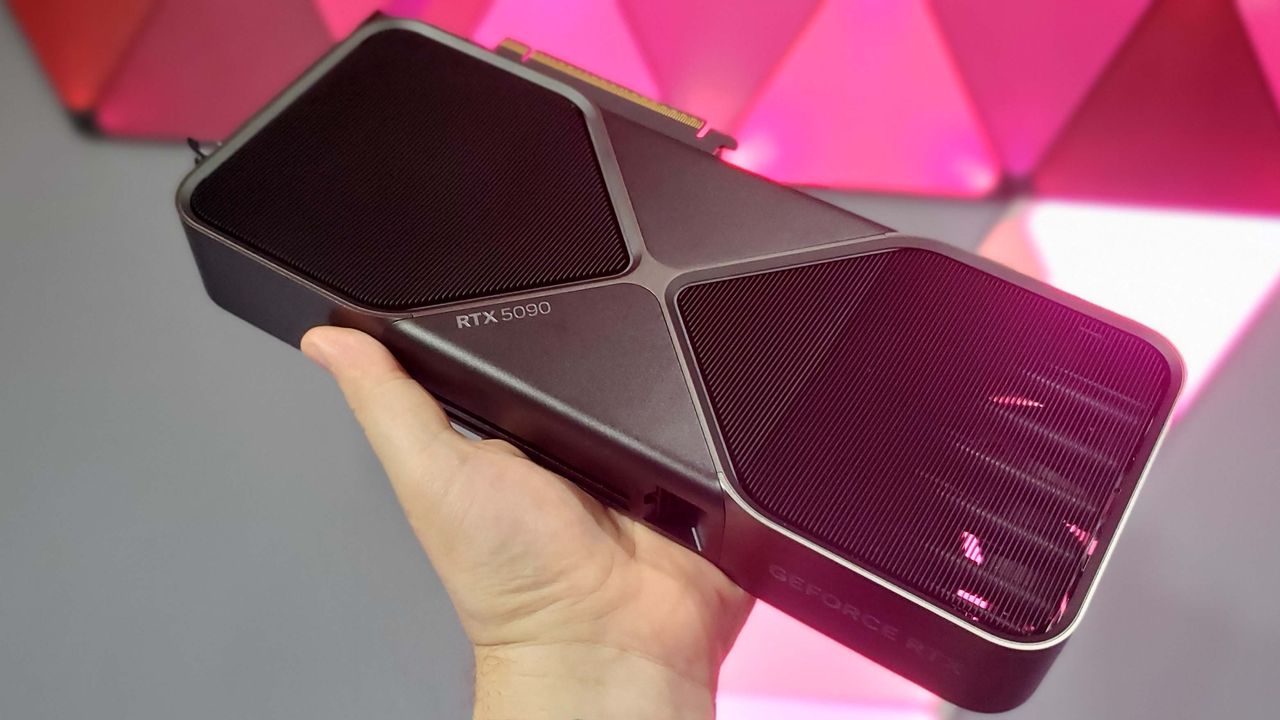
The ongoing memory shortage continues to cast a long shadow over the PC hardware landscape, and the latest rumblings suggest that enthusiasts hoping to snag Nvidia's flagship RTX 5090 graphics card may face an additional financial hurdle. Whispers from industry insiders indicate that the already pricey GPU could see a price jump of up to $300. While no official announcement has been made, the potential increase stems from supply constraints that are affecting the entire memory ecosystem. This article breaks down the rumored price hike, dives into the underlying memory crisis, and examines what it means for gamers and PC builders.
The Rumored Price Increase
Details from Board Channels
According to a report from Board Channels—a source that tracks add-in-card (AIC) partners—manufacturers in China have been notified of a 2,000 RMB price increase, which equates to roughly $300 USD. This adjustment is expected to apply to both the RTX 5090 and its China-exclusive variant, the RTX 5090D V2. The latter features 24GB of GDDR7 memory, while the global model available in the US and UK boasts a hefty 32GB of GDDR7 VRAM. Given the high memory capacity, such price hikes are not entirely shocking, especially when considering similar trends in other segments—like the PS5 price increase and the upcoming costlier Nintendo Switch 2. The Steam Machine, still slated for a 2025 launch, also faces uncertain pricing due to the ongoing supply constraints.
Impact on Consumers
For now, Nvidia has not confirmed any consumer-facing price changes, but if the warning to AIC partners is accurate, the increase is likely to trickle down to retail shelves. This would make an already expensive GPU even more out of reach for many. It's also worth noting that no similar price adjustments have been hinted at for other RTX 50-series cards, so the flagship may bear the brunt of the memory shortage's impact.
The Memory Shortage Crisis
Root Cause: AI Demand
The core of the problem lies in the insatiable appetite of the artificial intelligence industry for high-bandwidth memory (HBM) and other memory chips. This has created an outsized demand that strains even the largest manufacturers. According to recent reports, SK hynix—one of the world's foremost memory producers—has described its current capacity as "essentially zero right now". The company is investing in capacity-expanding projects, but these are not expected to meaningfully alleviate supply until at least 2028.
Consequences Across the Board
Limited supply drives up prices, as seen across the tech sector. HP recently warned that memory now accounts for roughly 35% of the cost of its PCs. The shortage has also given rise to counterfeit DDR5 modules that are increasingly convincing—posing a risk for unsuspecting buyers. Meanwhile, gamers hoping to upgrade their rigs are caught in a perfect storm: GPU prices remain elevated, and the memory components that power them are scarce.
Current GPU Pricing Context
RTX 5090 Already Expensive
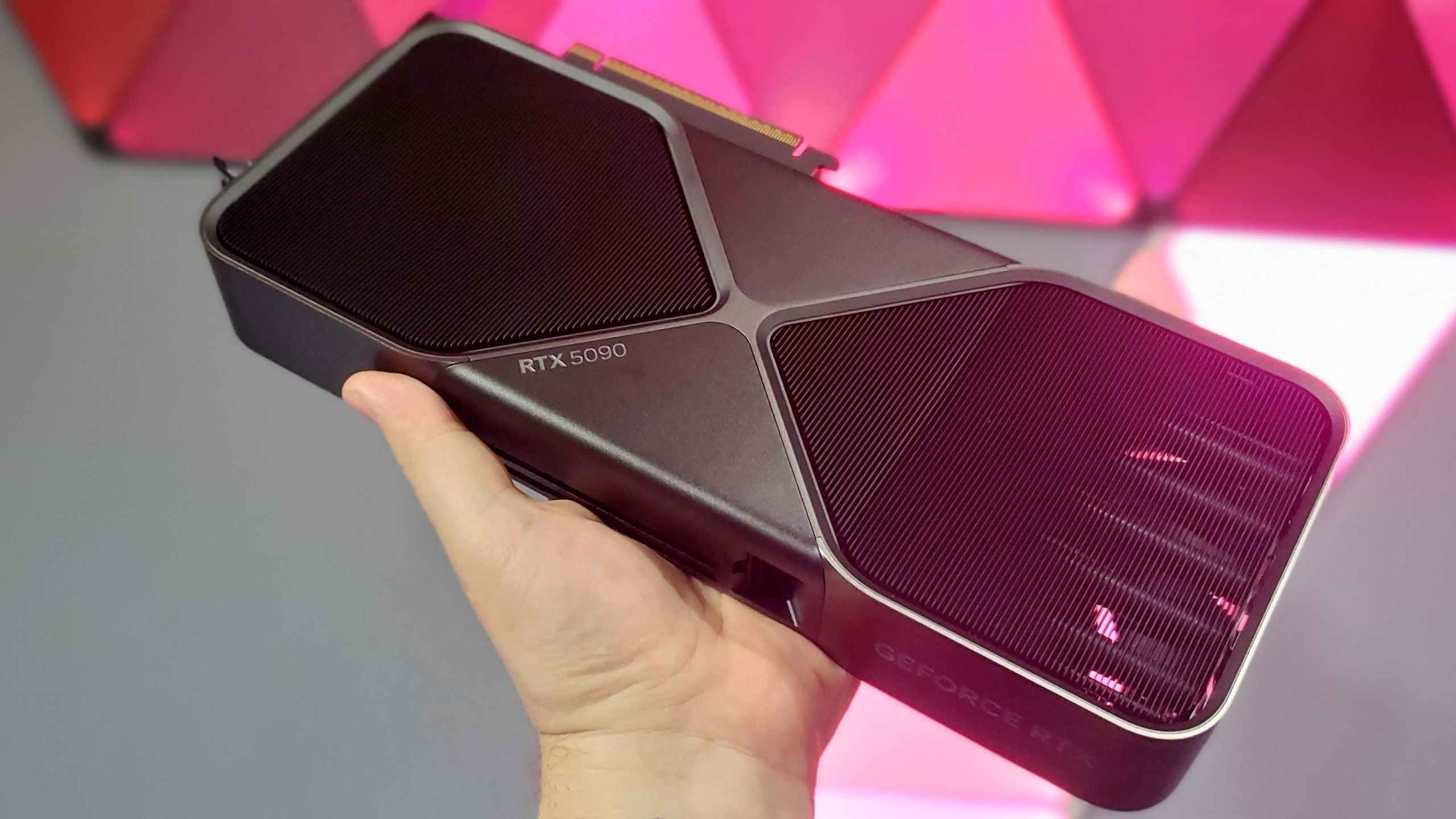
Even before this rumored increase, the RTX 5090 was far from affordable. The card launched with an MSRP of $1,999, but real-world pricing has often soared much higher. For instance, Best Buy has listed the high-end GPU at an eye-watering $5,090. While that is an extreme example, the card has consistently been found in the $3,500 range since the start of the year. If you've been following Nick's graphics card price watch, you'll know that a reasonably priced RTX 5090 has been a rare sight.
For those still unclear about the memory situation, Jacob's "RAMpocalypse" explainer offers a deep dive into how we got here and what it means for component costs.
Looking Ahead
While the prospect of a $300 price increase is daunting, it's not yet set in stone. Nvidia and its partners may absorb some of the cost, or the market could adjust as other memory manufacturers ramp up production. However, with capacity expansion years away and AI demand showing no signs of slowing, the pressure on GPU pricing is likely to persist. For now, if you were considering a GPU upgrade this year, you may want to brace your wallet—or wait for more clarity on pricing and supply.
Ultimately, running a gaming PC without sufficient RAM or a capable GPU isn't feasible—unless you're content playing Snake in the BIOS. The memory shortage has turned what was once a component-purchase decision into a strategic financial investment. Keep an eye on trusted sources for the latest updates, and consider whether your current setup can hold out for better days.
Related Articles
- 8 Key Events in the Fortnite D4vd Controversy You Should Know
- How to Decode the True Cost of Making GTA 6: A Guide to Understanding Game Budgets
- Clair Obscur: Expedition 33 Fans Can Now Own a Life-Sized Replica of Gustave's Prosthetic Arm
- Capcom Unveils Resident Evil Requiem: A Modern Horror Classic Redefines Survival Horror
- A Balanced Approach to Generative AI in Game Development
- Ultimate Grogu: The Most Lifelike Baby Yoda Collectible Yet
- Streamline Your Battles: Gaijin Single Sign-On Arrives on GeForce NOW
- GameSir Pocket Taco: A Retro Controller for iPhone Emulators – Key Questions Answered