The Block Protocol: 7 Things You Need to Know About the Future of Web Content
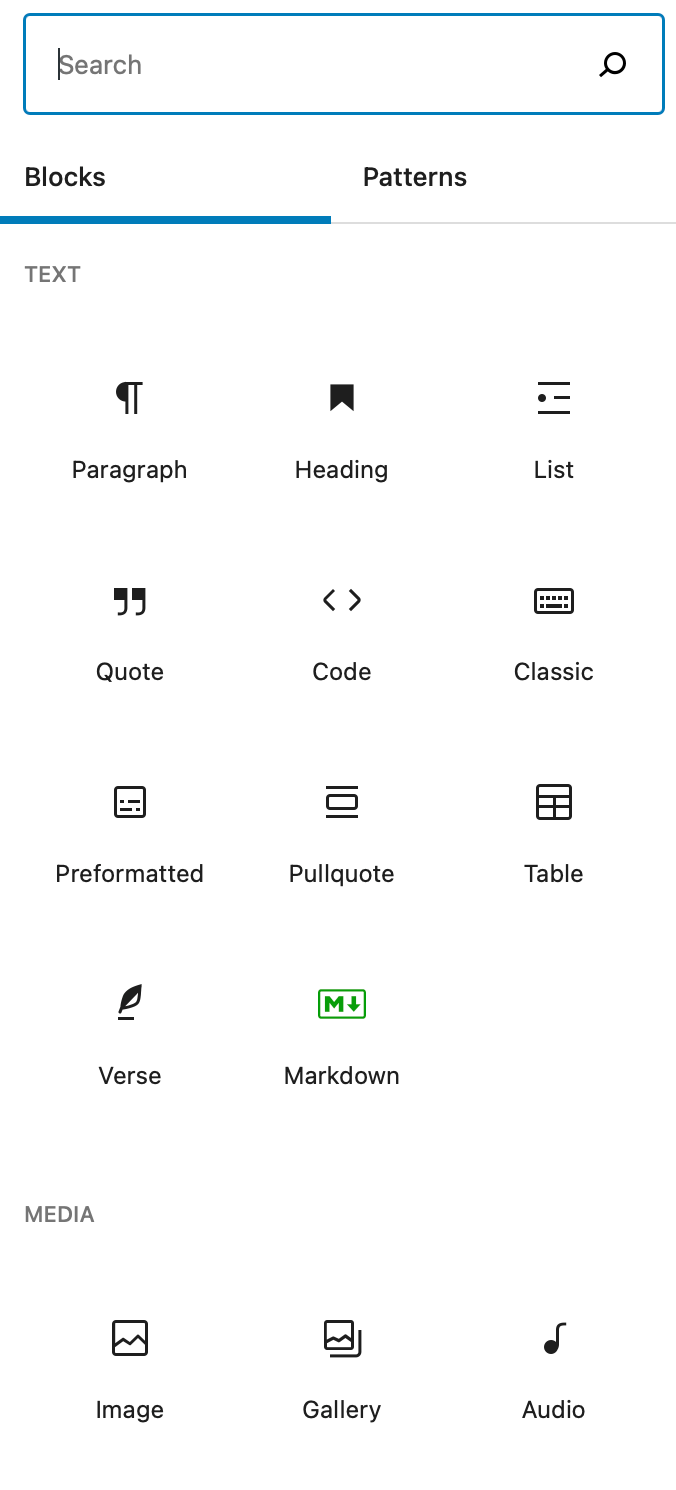
If you've used any modern web editor—whether it's WordPress, Notion, or Medium—you've probably encountered the block-based interface. You type a slash, hit enter, and choose from a list of content blocks: paragraphs, images, lists, videos, and more. This approach has become nearly universal, but there's a hidden problem: every app builds its own blocks from scratch, creating a fragmented ecosystem where users are stuck with whatever blocks their editor happens to support. Enter the Block Protocol, an open, free standard that aims to make blocks interchangeable across the entire web. Here are seven things you need to know about this game-changing idea.
1. The Rise of Block-Based Editors
Block-based editing has taken over the web. Instead of fiddling with complex formatting, you now think in terms of discrete units: a paragraph block, an image block, a video block. This model simplifies content creation and makes it easy to rearrange elements. WordPress, Ghost, Notion, and dozens of other tools have all adopted it. The mental shift from a linear document to a stack of blocks has been embraced by millions. But while the concept is popular, the implementation is anything but standardized. Each platform defines its own block types, meaning that a calendar block in one editor won't work in another. This lack of interoperability is the very problem the Block Protocol aims to solve.
2. The Problem with Proprietary Blocks
Right now, every app that wants blocks has to build them from scratch. Want a Kanban board? A fancy image gallery? An interactive map? You—or your development team—have to code it up yourself. This leads to an uneven experience: popular editors like WordPress may have hundreds of blocks, while smaller note-taking apps might only offer a handful of basic ones. End users suffer because they can't use the cool blocks they saw elsewhere. The block ecosystem is siloed, and moving content between platforms often means losing functionality. The Block Protocol breaks down these walls by defining a common interface that any block can use, regardless of where it was built.
3. The '/ Key' Standard Is Only the Beginning
The web has settled on one shared convention: pressing the / key brings up a block inserter. This simple interaction is nearly universal, but it's the only thing that's standardized. Everything else—how blocks communicate, how they render, how they handle data—is completely proprietary. The Block Protocol doesn't just standardize the user interface; it standardizes the underlying protocol that governs how blocks and editors interact. Think of it like HTTP for blocks: a set of rules that allows any block to work with any editor that follows the protocol. This goes far beyond a single keystroke and lays the foundation for a truly interoperable web.
4. Introducing the Block Protocol: A Universal Language
The Block Protocol is an open, non-proprietary specification that defines how embedding applications (like blog editors or CMS platforms) can host blocks. Any block—whether it's a simple paragraph or a complex Kanban board—can be used in any editor that implements the protocol. The idea is simple: write your block once, and it works everywhere. The protocol covers everything from block rendering to user interactions to data exchange. It's 100% free, and all sample code is open-source. The goal is to create a thriving marketplace of blocks that you can plug into any compatible tool, much like how you can install plugins on a website.

5. Benefits for App Developers
For developers building editors, the Block Protocol is a huge time‑saver. Instead of spending months creating dozens of block types (and maintaining them), you can implement the protocol once and instantly support a vast library of existing blocks. This includes blocks created by the community, third‑party vendors, or even your own users. You can focus on making your editor great, while the block ecosystem grows organically. Plus, because the protocol is open, you avoid vendor lock‑in. Your app becomes a platform that can host any block, which is a powerful selling point for attracting users who want flexibility and choice.
6. Benefits for End Users
End users are the biggest winners. Imagine writing a blog post and being able to drop in a calendar block that you found in another app, or a custom chart that your colleague built. With the Block Protocol, your editor isn't limited to a fixed set of blocks. You can search for, install, and use any block that conforms to the standard. This means richer documents, less frustration, and the ability to move your content between platforms without losing functionality. The walled gardens come down. Users get the power to choose the best blocks for their needs, regardless of which editor they use.
7. What Can Be a Block? Unlimited Possibilities
What exactly can be a block? Almost anything that makes sense in a document or on the web. A paragraph, a list, a table, a diagram, a video, an order form, a Kanban board, a calendar—you name it. Blocks can also interact with structured data: think of a contact card that pulls from a database, or a chart that updates in real time. The protocol is designed to handle typed data, so blocks can communicate with each other and with external services. The potential is vast. The Block Protocol community is already building a library of sample blocks, and the hope is that an open‑source ecosystem will emerge, creating thousands of high‑quality blocks that anyone can use.
The Block Protocol is still in its early stages, with a draft specification and simple reference implementations available. But the vision is clear: a web where content blocks are as interchangeable as text and images are today. If you work on any kind of editor—blogging tool, note‑taking app, CMS—consider integrating the protocol. If you're a block developer, write your blocks once and reach every platform. Together, we can make the web better, one block at a time. Learn more about the protocol and join the community to shape the future of web content.
Related Articles
- Why I Switched from OneDrive to Ente Photos for Secure Photo Storage
- Apple Quietly Acquires Color.io, Hires Solo Creator Behind Popular Grading Tool
- SkiaSharp 4.0 Preview 1: Everything You Need to Know
- 6 Game-Changing Ways OpenAI’s Codex Chrome Extension Transforms Your Browser Workflow
- Microsoft and GitHub Showcase Early Preview of Pylance-Pyrefly Integration at PyCon US 2026
- Mastering GitHub Copilot CLI: Interactive vs Non-Interactive Modes
- Building a Simulation-First Manufacturing Pipeline with OpenUSD and NVIDIA Omniverse
- AI Expert Reveals: Stop Prompting Agents – Give Them 'Skills' for Reliable Results