10 Critical Developments in Global Forest and Climate Policy You Need to Know
In the past fortnight, significant shifts in global forest loss, deforestation regulations, and biodiversity conservation have emerged. From declining deforestation rates in the Amazon to controversial trade deals and threats to unique ecosystems, these updates shape the future of our planet. This listicle breaks down the ten most important stories, offering insights into policy changes, environmental gains, and persistent challenges. Whether you're a policy watcher or concerned citizen, these developments demand attention.
1. Global Primary Forest Loss Drops by a Third
The latest Global Forest Review reveals that tropical primary forest loss fell by over one-third from 2024 to 2025. Primary forests—those largely untouched by human activity—are critical for biodiversity and carbon storage. The World Resources Institute (WRI), co-author of the report, cautions that despite this decline, loss rates are still 46% higher than a decade ago. Much of the reduction is attributed to fewer extreme fires compared to the previous record-breaking year. However, agricultural expansion remains the primary driver, and the world remains far off track from the 2030 goal to halt deforestation.
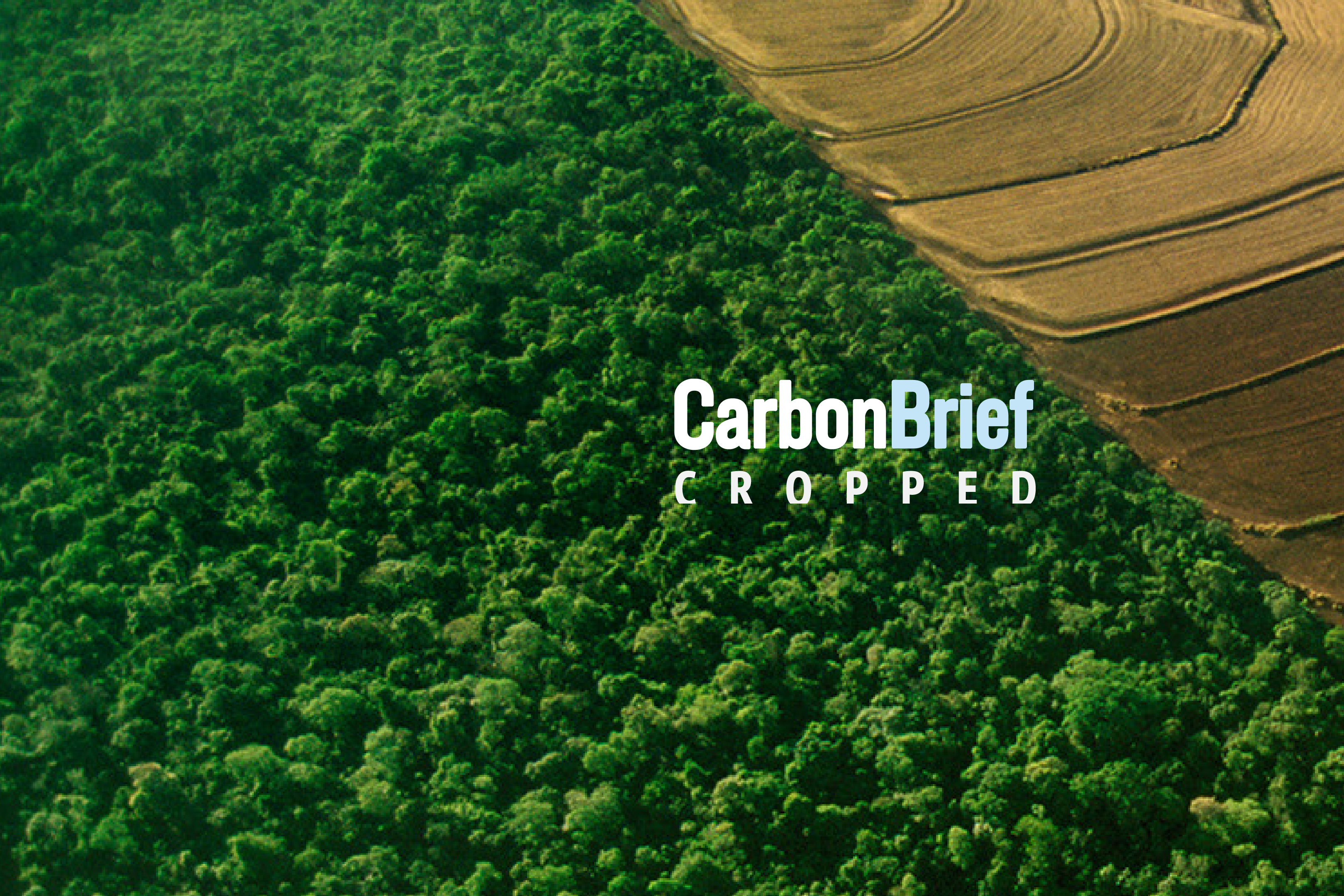
2. Brazil Leads in Deforestation Reduction
Brazil still recorded the largest area of primary forest loss globally, but deforestation fell by 42% year-on-year. Agência Brasil reports that this achievement stems from a multi-sector task force involving civil society, academia, local communities, and the private sector. Enhanced enforcement and monitoring played key roles. Still, the scale of remaining loss underscores the need for sustained efforts. The Amazon, home to immense biodiversity, remains under pressure from illegal logging and land conversion, but the drop signals that collaborative governance can yield results.
3. Progress in Southeast Asia and Colombia
Indonesia, Malaysia, and Colombia also posted notable declines in forest loss. EnviroNews Nigeria attributes these successes to improved governance, recognition of Indigenous land rights, and corporate commitments to deforestation-free supply chains. In Indonesia, peatland restoration and a moratorium on new palm oil licenses have helped. Colombia saw reduced deforestation in the Amazon region after peace agreements allowed for better land management. These examples show that a combination of policy, community rights, and business responsibility can drive change.
4. Global Deforestation Still Exceeds 2030 Targets
Despite the decline, deforestation rates remain “far above” the level needed to meet international goals to halt and reverse forest loss by 2030, reports BusinessGreen. The temporary drop is fragile, with fires presenting a growing threat that could undo gains. Reuters emphasizes that agricultural expansion continues as the biggest driver globally, from cattle ranching in South America to oil palm in Asia. Without deeper structural changes—such as shifting consumption patterns and strengthening legal frameworks—the world will miss its forest targets.
5. EU Deforestation Law Faces Industry Loophole
The European Commission has weakened its anti-deforestation law by excluding imports of leather, under pressure from industry lobbies. Reuters notes that leather groups argued their product is a low-value by-product of meat production and does not incentivize deforestation. However, critics fear this exemption undermines the law's effectiveness. Imported beef remains covered, but the move sets a precedent for other exemptions. The law, designed to ensure EU consumption does not fuel global deforestation, now has a significant gap that could be exploited.
6. UK MPs Demand Long-Overdue Deforestation Rules
In the UK, a group of Parliament members published an open letter calling for immediate implementation of regulations to end imports linked to illegal deforestation. Though the Forest Risk Commodities regulation was introduced in the Environment Act 2021, Mongabay reports that lawmakers have delayed enforcement for over four years. The MPs argue that British consumers are inadvertently supporting forest destruction abroad. The delay frustrates conservationists who see the UK as a key player in global supply chain accountability. Pressure mounts for the government to act.

7. EU-Mercosur Trade Deal Takes Effect Provisionally
After 25 years of negotiations, the EU-Mercosur trade agreement provisionally entered into force on 1 May. Euractiv reports that the deal covers tariff reductions and market access between the European bloc and South American nations including Brazil, Argentina, Uruguay, and Paraguay. Environmental groups worry it will accelerate deforestation by increasing demand for agricultural products like beef and soy. The agreement includes sustainability commitments, but enforcement mechanisms remain weak. The provisional application begins a new chapter in global trade-environment tensions.
8. ‘India’s Galapagos’ Faces Critical Threats
The Andaman and Nicobar Islands—often called India’s Galapagos due to their unique biodiversity—are under existential threat. Plans for a trans-shipment port and increased military infrastructure risk damaging pristine ecosystems. The islands host species found nowhere else, including the Nicobar megapode and saltwater crocodiles. Conservationists warn that development without proper environmental safeguards could trigger irreversible loss. Indigenous tribes, such as the Sentinelese, also face disruption. The government’s push for economic growth clashes with the need to preserve one of Earth’s last wild places.
9. Local Communities Lead Conservation on the Islands
Despite top-down development pressures, local communities in the Andaman and Nicobar Islands are spearheading conservation initiatives. Traditional knowledge combined with modern monitoring helps protect mangroves and coral reefs. Fisheries management zones and community-led ecotourism provide sustainable livelihoods. These grassroots efforts demonstrate that conservation and development can coexist when local voices are prioritized. However, they need stronger legal backing and financial support to counter large-scale infrastructure projects. Their success offers a model for other biodiversity hotspots.
10. The Path Forward: Integrating Policy, Rights, and Action
The past two weeks highlight both progress and setbacks. Forest loss is falling in key regions, but the pace is insufficient. Trade policies continue to shape deforestation patterns, while vulnerable ecosystems like India’s Galapagos hang in the balance. Effective solutions require integrating robust enforcement of anti-deforestation laws, respecting Indigenous land rights, and shifting global consumption. International cooperation must prioritize long-term ecological health over short-term economic gains. The window to reverse biodiversity loss and meet climate targets is closing, but these stories show that change is possible—if we act decisively.
Conclusion: From the Amazon to the Andaman Islands, the fight to protect our planet’s forests and biodiversity is a complex, evolving story. The 10 developments above underscore the need for vigilance, collaboration, and commitment. While some trends offer hope, others warn of complacency. Staying informed is the first step toward meaningful action.
Related Articles
- Exploring Reality Through Bohmian Mechanics: A Q&A Guide
- Artemis 3 Delay: Will NASA's Lunar Landing Slip to 2028 or Beyond?
- 5 Key Takeaways from Google's Icon Overhaul, Fitbit Air, and Samsung Glasses
- 10 Lessons from the Engineer Designing Tomorrow's Wireless World
- Vera C. Rubin Observatory Poised to Revolutionize Sky Surveillance: Tracking Asteroids, Supernovas, and Interstellar Objects
- Artemis 2's Orion Capsule Returns to Florida: 10 Key Milestones of the Epic Lunar Mission
- Squid and Cuttlefish: Ancient Deep-Sea Survivors Reveal Evolution Secrets
- Extreme New Ice Phase Pushes Limits of Water's Solid State