7 Ways Climate Change Is Making Your Allergies Worse (And What to Do)
Introduction
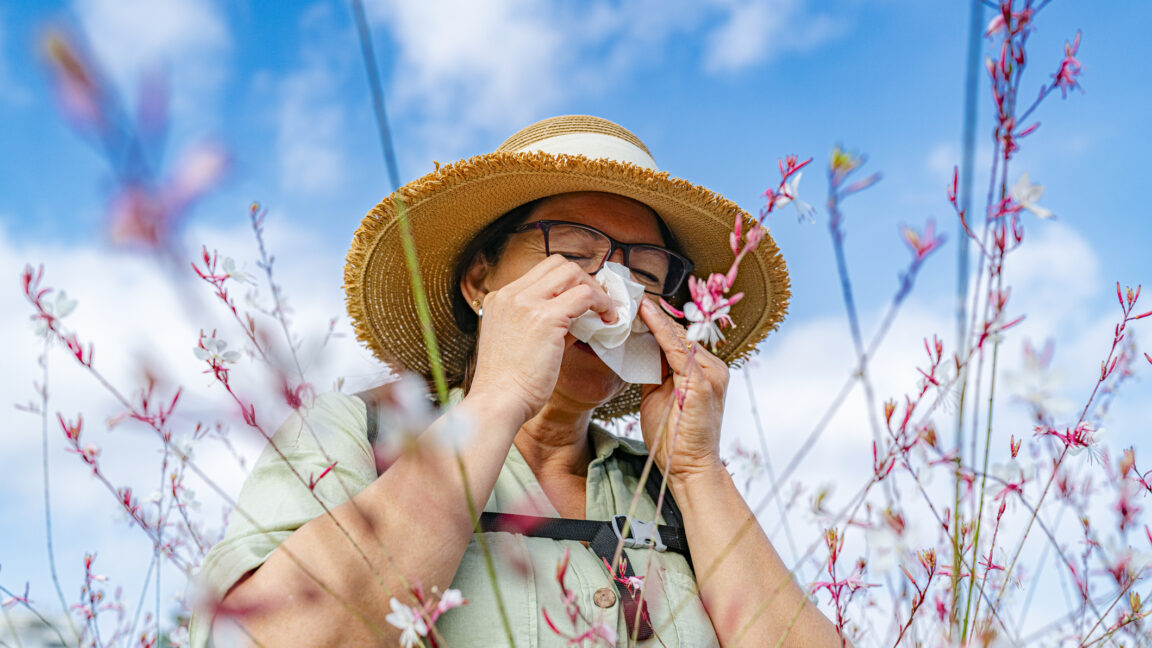
If it feels like every spring your allergies are getting worse, you're not imagining things. Climate change is fundamentally altering the patterns of pollen production and distribution across the Northern Hemisphere, leading to longer, more intense allergy seasons. Dr. Neelima Tummala, an otolaryngologist at NYU Langone Health, notes that patients consistently report their symptoms are more severe than ever—and science backs them up. With about 25% of U.S. adults and 20% of children affected by seasonal allergies, understanding how a warming planet impacts pollen is crucial. This article breaks down seven key mechanisms linking climate change to your sneezes and sniffles, and offers practical steps to find relief.
Jump to Item 1 | Jump to Item 2 | Jump to Item 3 | Jump to Item 4 | Jump to Item 5 | Jump to Item 6 | Jump to Item 7
Related Articles
- Navigating Biotech Partnerships and Drug Launch Challenges: A Case Study on Capricor's Duchenne Therapy
- Navigating Cannabis Safety for Seniors: A Step-by-Step Risk Assessment Guide
- Withings ScanWatch 2 Review: Where Elegance Meets Advanced Health Tracking
- Psychedelic Therapy's Unequal Future: Why Communities of Color Are Being Left Behind
- Mother Behind Custom Drug for Rare Mutation Launches New Biotech to Scale Personalized Treatments
- Hantavirus on Cruise Ships: A Complete Response Guide for Travelers and Health Officials
- The Alarming Rise of Colorectal Cancer in Young Adults: 7 Key Facts
- Rising Fabricated Citations and the Graying of Medical Research: An Alarming Collision