The Man Behind the Moon: Anton Kiriwas and NASA's Artemis Journey
From College Daydream to NASA Reality
For many, the sight of the Moon and Mars hanging over a job fair booth might be a fleeting curiosity. But for Anton Kiriwas, that image at a university event planted a seed that would grow into a critical role in humanity's return to the lunar surface. Years later, as senior technical integration manager for NASA's Exploration Ground Systems Program, Kiriwas helps ensure the Artemis missions launch safely and successfully.
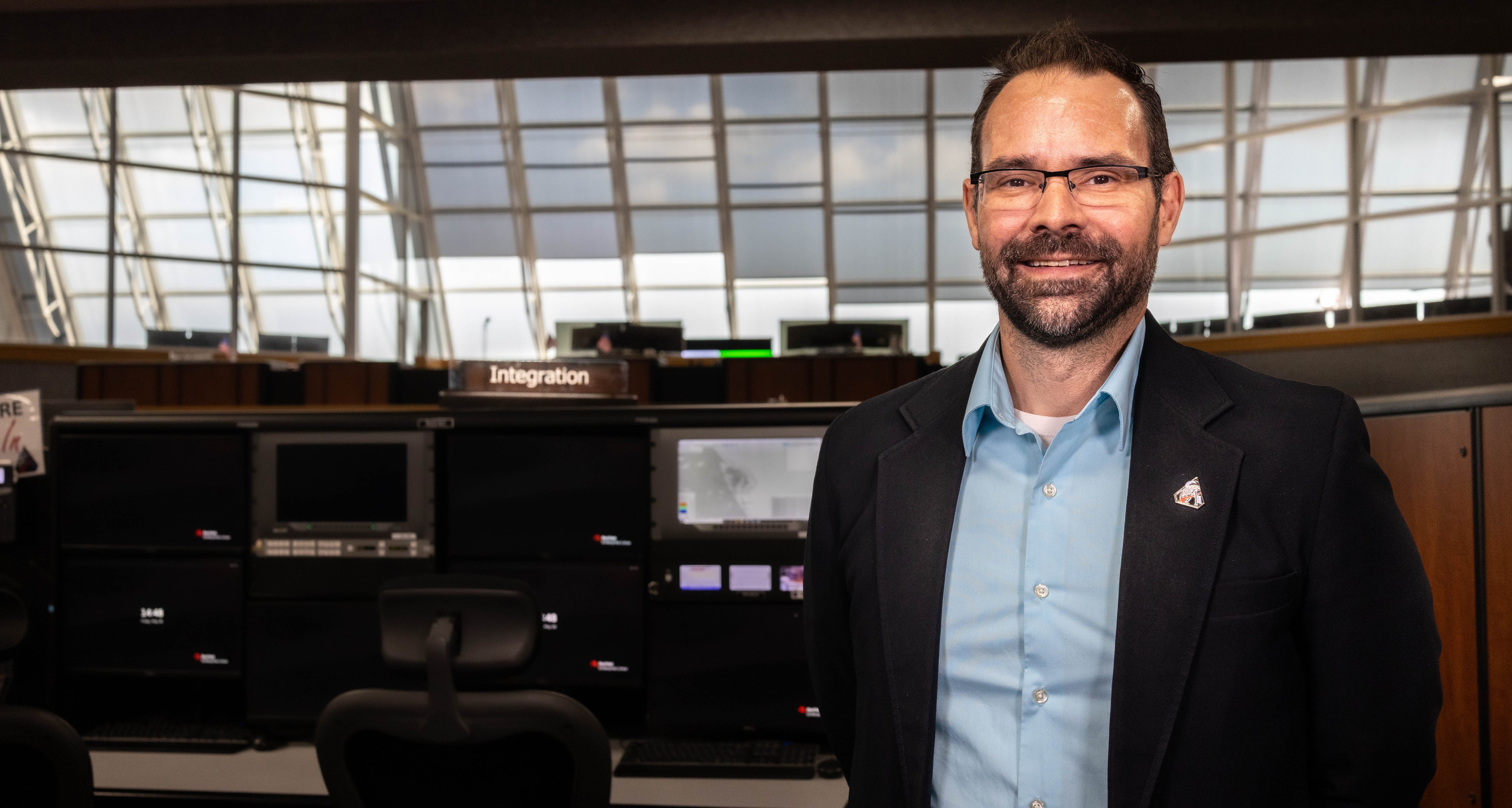
His path to NASA began during the Space Shuttle era, while working at United Launch Alliance—the same organization that had hosted that memorable booth. Soon after, he joined NASA as a civil servant, designing electrical systems that paved the way to his current position. In his own words, his official title is long, but his job is simple: solve problems for the ground systems.
The Problem Solver's Toolkit
Kiriwas describes his role as a central hub in a complex machine. "Our goal is to process, launch, and recover the spacecraft," he says. "There are a lot of ground systems used to do that and a lot of people involved. A big part of my job is to go solve all the problems that come." This involves coordinating across engineering disciplines, troubleshooting issues, and ensuring every system works in harmony.
As a launch project engineer, Kiriwas is stationed at the integration console in the center of Firing Room 1 at Kennedy Space Center's Launch Control Center. This position makes him a vital bridge between test management and engineering teams. Along with other launch project engineers, he reports directly to the launch director, providing the final technical recommendation on any issues that arise during the countdown.
Inside the Firing Room: The Heart of the Mission
The Firing Room is where tension and teamwork collide. During countdown simulations—like the one Kiriwas participated in for Artemis II—the team practices launch day scenarios to test software and adjust procedures. Despite the high stakes, Kiriwas notes that launch day can sometimes feel easier than the months of preparation. "When you're in the moment, everything focuses on the mission," he explains. "The team's training and trust kick in."

His role requires clear communication across all disciplines, from propulsion to avionics. Every decision must balance safety, timeline, and mission objectives. The phrase "launch the spacecraft and crew safely" is not just a motto—it's the singular goal that unites everyone in the room.
The Vision Ahead
For Kiriwas, the Artemis program represents a new era of exploration. "We're not just going back to the Moon—we're building a foundation for future missions to Mars," he says. His own journey, from a college student staring at a poster to a key player in NASA's most ambitious program, underscores the power of perseverance and the importance of ground systems that many never see.
As Artemis progresses, Kiriwas and his colleagues will continue to solve problems big and small, ensuring that every rocket launch is a step toward the stars. Their work is proof that even the most distant dreams can become reality with the right team and resolve.
Related Articles
- Mastering Quadsqueezing: A Step-by-Step Guide to Replicating the Oxford Quantum Breakthrough
- Physicists Crack 40-Year Mystery of Universal Growth in Two Dimensions
- Finding Whimsy Amid the Chaos: A Sunday Reflection on Puns, Pop Culture, and Curated Reads
- 6 Timeless Lessons on Getting Rich in America: Why Flexibility Beats Any Formula
- 10 Crucial Insights into Papua New Guinea's Devastating Landslides Triggered by Tropical Cyclone Maila
- Unveiling Loki's Bones: A Guide to Identifying Ancient Dwarf Galaxy Remnants in the Milky Way
- Hubble Captures a Galaxy in Transition: NGC 1266's Post-Starburst Secrets
- Consciousness Could Be the Fundamental Fabric of Reality, New Theory Proposes