WattEV's Massive Tesla Semi Order: A Milestone for California's Electric Truck Revolution
In a landmark move for zero-emission freight, WattEV has announced an order for 370 Tesla Semi Class 8 electric trucks. This represents the single largest electric truck deployment in California, with over 300 units earmarked for a joint initiative with the Port of Oakland. The order arrives just days after the first Tesla Semi rolled off the high-volume production line at a new dedicated factory near Gigafactory Nevada, signaling a major early win for Tesla's commercial truck ambitions. Below, we break down the key questions surrounding this historic deal.
What makes WattEV's Tesla Semi order a historic milestone for electric trucks?
WattEV's order of 370 Tesla Semi trucks is historic because it is the largest single electric truck deployment ever in California. No previous order has reached this magnitude. By committing to such a high number of zero-emission Class 8 trucks, WattEV is signaling that electric heavy-duty hauling is ready for prime time. This order also comes as a strong vote of confidence for Tesla's Semi, which has faced production delays. The sheer scale—more than 300 of these trucks will operate under a program with the Port of Oakland—means the deployment will have a tangible impact on reducing diesel emissions in one of the nation's busiest port complexes.
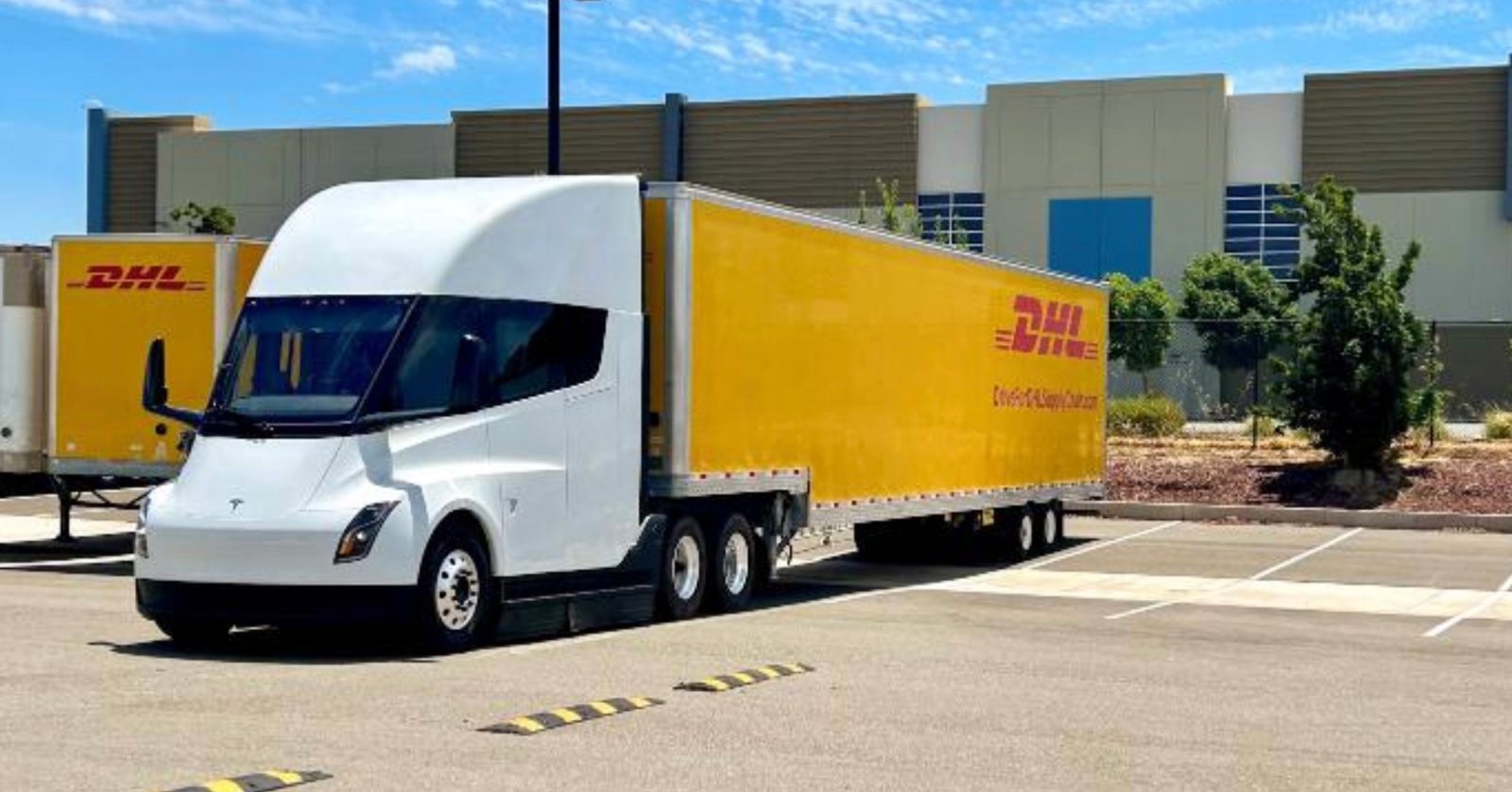
How many Tesla Semis did WattEV order and where will they be deployed?
WattEV placed an order for exactly 370 Tesla Semi Class 8 electric trucks. The majority—over 300 units—will be deployed as part of a joint program with the Port of Oakland. The remaining trucks are expected to serve other routes within California. This strategic deployment focuses on drayage operations, where trucks move cargo short distances between ports, rail yards, and warehouses. By concentrating on these relatively predictable, shorter routes, WattEV can maximize the benefits of electric trucks' lower operating costs and zero tailpipe emissions while using existing charging infrastructure.
How does this order support the Port of Oakland's sustainability goals?
The Port of Oakland has set aggressive targets to reduce emissions from its operations, particularly from the diesel trucks that move containerized cargo. By partnering with WattEV to deploy over 300 Tesla Semis, the port can make a significant leap toward these goals. These electric trucks produce zero tailpipe emissions, directly cutting the nitrogen oxides, particulate matter, and carbon dioxide that plague port communities. The Port of Oakland sees this as a crucial step in its Clean Truck Program, which aims to transition all drayage trucks to zero-emission vehicles by 2035. The WattEV order provides a scalable, real-world model for other ports to follow.
What does WattEV's order mean for Tesla's commercial truck production?
This order is a major validation for Tesla's entry into the commercial truck market. It arrives just days after the first Tesla Semi rolled off the high-volume production line at the new dedicated factory adjacent to Gigafactory Nevada. For Tesla, this large, committed customer order demonstrates that there is real demand for its electric Class 8 truck, beyond early reservations. It also provides a production backlog that helps stabilize manufacturing volumes. Moreover, WattEV's deployment plan includes the Port of Oakland program, which will serve as a showcase for the Semi's range, reliability, and total cost of ownership—potentially opening the door to even larger fleet orders from other logistics companies and ports.

Why is this deployment considered the largest electric truck deployment in California?
California has been at the forefront of electric truck adoption, with several earlier pilot programs and smaller orders. However, no single entity had ever committed to deploying more than 300 electric Class 8 trucks at once. Prior to WattEV's order, the largest deployments numbered in the dozens. The scale of 370 trucks—with the majority concentrated in a single port environment—makes this order a step change. It moves from testing to mass adoption, providing critical data on charging infrastructure, driver experience, and grid integration. The sheer number of trucks will create a dense electric truck ecosystem, reducing range anxiety and proving that large-scale electric drayage is feasible today.
What challenges and opportunities does this massive deployment face?
Deploying 370 electric trucks presents both significant challenges and opportunities. The primary challenge is charging infrastructure: ensuring that enough chargers are available at the Port of Oakland and along frequent routes to keep trucks running. WattEV will need to coordinate with utilities, install high-power chargers, and possibly use battery storage to manage grid demand. Another challenge is driver training and acceptance—drivers must adapt to different driving habits and charging schedules. On the opportunity side, this deployment will generate massive real-world data, driving down costs and improving battery technology. It also positions WattEV and the Port of Oakland as leaders in zero-emission logistics, potentially attracting government grants and partnerships.
How does this order fit into California's broader push for zero-emission trucks?
California is aggressively targeting a transition to zero-emission trucks through regulations like the Advanced Clean Trucks rule and the proposed In-Use Off-Road regulation. The state aims to have all new truck sales be zero-emission by 2040, with interim targets for port drayage trucks by 2035. WattEV's order of 370 Tesla Semis directly supports these goals by putting a large number of zero-emission trucks into real-world operation years ahead of mandated timelines. The joint program with the Port of Oakland also aligns with California's efforts to clean up disadvantaged communities near ports and warehouses. Success here will provide a replicable blueprint for other states and countries looking to electrify their freight sectors.
Related Articles
- WebAssembly JSPI Gets a New API: 7 Key Changes You Need to Know
- Unveiling Solar Mysteries: How Radio Bursts Reveal Magnetic Switchbacks Near the Sun
- Xiaomi Shocks Auto World: Second Electric SUV Shatters Nürburgring Lap Record
- React Native 0.85: Key Updates in Animation, Testing, and Developer Tooling
- Google Launches AI Agent Skills for Flutter and Dart Development
- Automate Dataset Migrations with Background Coding Agents: A Step-by-Step Guide
- Flutter and Dart at Google Cloud Next 2026: Key Announcements and Experiences
- Top Tech & Outdoor Deals: Aventon eMTB, EcoFlow Power, Segway Mowers & More