OpenAI Upgrades ChatGPT's Default Model: Enhanced Clarity, Accuracy, and Context Awareness
Introduction: A Smarter Default for ChatGPT Users
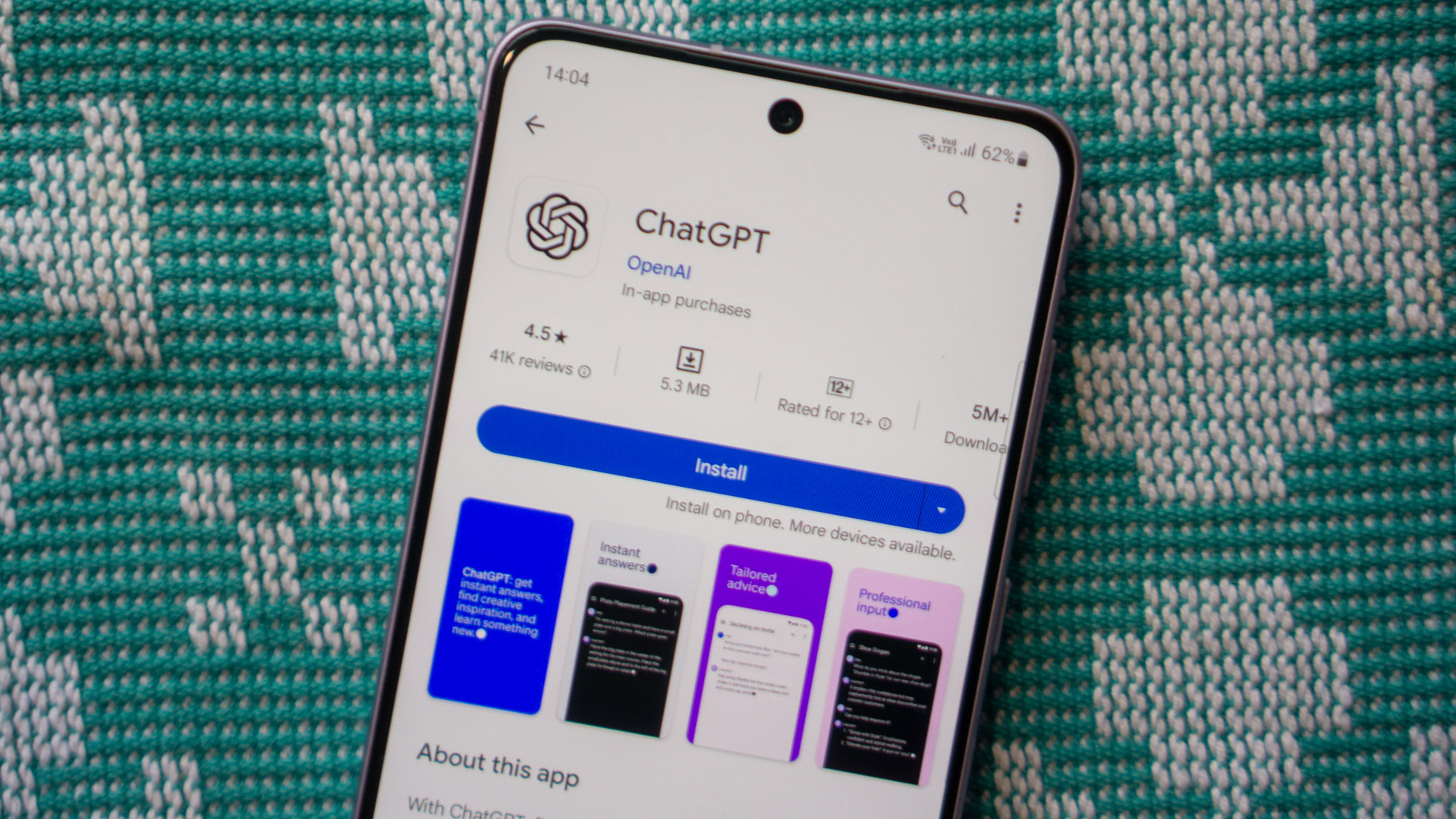
Choosing the right AI model can be a daunting task, especially when faced with a growing list of options from leading providers like OpenAI, Google, and Anthropic. For users who prefer simplicity, the default model is often the go-to choice. OpenAI has now made that choice even better with the rollout of GPT-5.5 Instant as ChatGPT's new default model. This upgrade promises more direct, clear, and accurate responses, addressing common concerns about verbosity and factual errors.
What Is GPT-5.5 Instant?
GPT-5.5 Instant is the latest iteration in OpenAI's language model series, designed for speed and efficiency while maintaining high-quality outputs. It replaces the previous default, GPT-5.3 Instant, bringing several key improvements aimed at delivering a more satisfying user experience. The model is now the standard for both free and paid users unless they manually switch to a different variant.
Key Improvements Over GPT-5.3 Instant
The transition from GPT-5.3 to GPT-5.5 Instant focuses on three main areas: response clarity, factual accuracy, and context awareness. These enhancements directly address user feedback and common pain points in AI interactions.
Tighter, More Direct Replies
One of the most noticeable changes is the reduction in unnecessary verbosity. GPT-5.5 Instant generates responses that are concise and to the point, cutting through rambling explanations that sometimes accompanied previous models. This means you get the information you need without sifting through extra text, making conversations more efficient.
Reduced Hallucinations
Hallucinations — instances where the AI confidently presents incorrect information — have been a persistent challenge. OpenAI has worked to minimize these errors in GPT-5.5 Instant. While no model is perfect, early reports indicate a significant drop in inaccuracies, leading to more reliable outputs.
Better Context Retention with Memory Sources
ChatGPT now also learns to share where it is pulling context from using memory sources. This feature helps users understand the origin of the information or the reasoning behind a response. For example, if the AI references a previous conversation or a stored fact, it can now indicate that source. This transparency builds trust and allows for more informed interactions.
Why This Matters for Everyday Users
For anyone who relies on ChatGPT for work, study, or casual queries, these improvements translate to a smoother experience. You no longer need to repeatedly prompt for clarification or fact-check every answer. The default model now provides more reliable and clear responses out of the box, reducing cognitive load.
Time Savings and Reduced Frustration
With tighter replies, you can quickly extract the key points without wading through fluff. Fewer hallucinations mean less time spent verifying facts. The combination leads to a more productive and less frustrating AI interaction.
Enhanced Trust and Transparency
Memory source indicators give insight into how the AI arrives at its conclusions. This is particularly valuable in scenarios where context from past discussions is reused — for instance, when ChatGPT recalls your preferences or ongoing projects. Knowing that the AI can accurately reference past information boosts confidence in its recommendations.
How to Make the Most of the New Default Model
To fully leverage GPT-5.5 Instant, users should ensure they are on the latest version of ChatGPT. The update is rolled out automatically, so most users are already benefiting. If you prefer speed or specific capabilities, you can still manually select other models like GPT-5.3 or reasoning-focused variants, but the default now offers a balanced blend of performance and reliability.
Tips for Using Memory Sources Effectively
- Enable memory features in your ChatGPT settings to allow the AI to store context across sessions.
- Review memory sources when receiving complex answers to understand the basis of the information.
- Provide feedback on memory usage to help OpenAI improve the feature over time.
Looking Ahead: The Future of Default AI Models
This upgrade signals a broader trend in AI development: prioritizing user experience by refining default settings rather than bombarding users with endless model choices. As competition heats up, providers will likely continue to enhance default models to retain users who prefer a 'set and forget' approach. GPT-5.5 Instant represents a significant step toward making advanced AI more accessible and trustworthy for everyone.
Implications for Other AI Platforms
Other providers like Anthropic and Google are also iterating on their default models. The focus on reducing hallucinations and improving clarity will likely become industry standards. Users can expect similar upgrades from rival platforms in the near future, making the AI landscape even more competitive and user-friendly.
Conclusion: A Welcome Update for ChatGPT Users
OpenAI's decision to set GPT-5.5 Instant as the default model is a practical improvement that addresses real user needs. Whether you are a casual user asking simple questions or a professional relying on AI for research, the benefits of tighter replies, fewer errors, and transparent context sourcing are immediately apparent. For those overwhelmed by model choices, this update simplifies the decision: just use the default and enjoy a better experience. Check out our guide on maximizing ChatGPT's potential for more ways to optimize your interactions.
Related Articles
- Understanding Rust's Challenges: A Q&A on the Retracted Blog Post
- 10 Critical Reasons Why Inference Systems Are the Real AI Bottleneck
- Breakthrough Algorithm SPEX Unlocks Hidden Interactions in Large Language Models at Scale
- A Look at Webinar: How to Automate Exposure Validation to Match the Speed of ...
- Java for Artificial Intelligence: A Comprehensive Guide to Frameworks, Tools, and Best Practices
- How to Build an Autonomous Fleet of AI Coding Agents: A Step-by-Step Guide
- How to Build a Self-Improving AI: A Step-by-Step Guide to MIT's SEAL Framework
- 7 Key Insights for Managing Multiple AI Models with a Single API Gateway