8 Breakthroughs You Need to Know About Metalenz's Under-Display Face Unlock
For years, smartphone makers have dreamed of a truly bezel-less display—one without notches, punch-holes, or camera cutouts. Apple poured resources into hiding Face ID under the screen but never succeeded. Android brands avoided the approach altogether, fearing it would compromise security. That was until Metalenz, a Boston-based optics startup, unveiled its Polar ID Under Display technology. This system achieves what seemed impossible: secure face authentication that works flawlessly beneath a fully active OLED panel. In this listicle, we break down the eight key things you need to know about this game-changing innovation.
1. The Under-Display Face Unlock Challenge
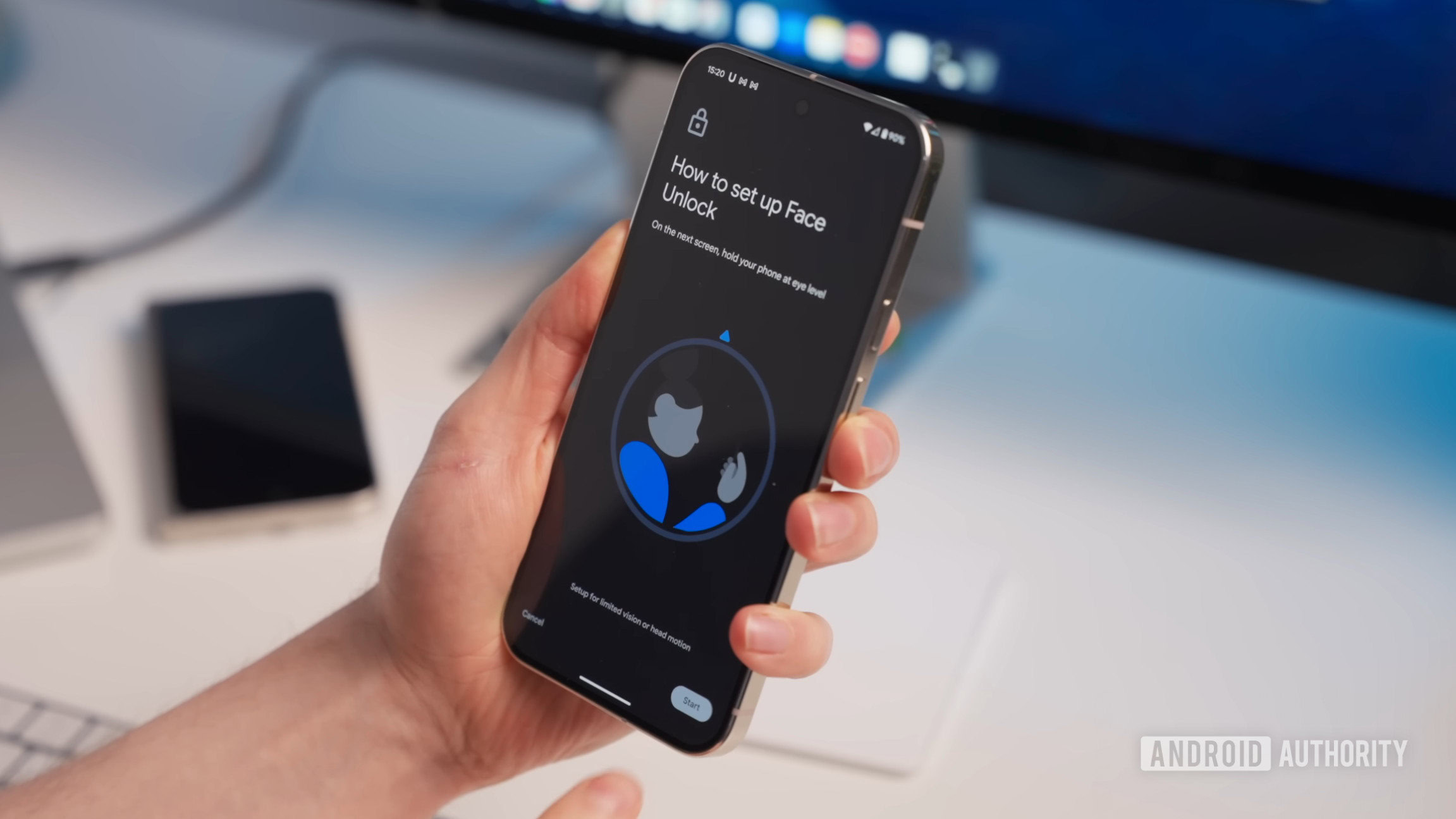
Placing a face unlock system under a display is technically difficult. Traditional camera-based systems need a clear optical path to capture an accurate image. An OLED screen, even when active, scatters and absorbs light, distorting the sensor's view. Early attempts either produced low-quality scans or required the display to turn off in that area, creating a visible patch. Metalenz's approach uses metasurface optics—microscopic structures that manipulate light at a sub-wavelength scale—to overcome these issues. By reading polarized light, the system can distinguish a real face from a spoof with remarkable accuracy, all without punching a hole in the display.
2. Why Apple Couldn't Crack This Problem
Apple has been working on under-display Face ID for years, filing numerous patents. Yet the technology never made it into a shipping iPhone. The hurdle: achieving the same level of security as the current Face ID array (infrared projector, flood illuminator, dot projector) through an active screen. Even a slight degradation in the dot pattern or IR signature could allow a spoof. Metalenz took a different route—instead of trying to miniaturize traditional components, they pioneered a new optical system. Their metasurface approach doesn't rely on creating a dot grid; it reads the polarized light signature of a live face, providing a 0% spoof rate. Apple's reliance on conventional optics may have limited their progress.
3. Android Brands Opted Out for Security Reasons
While Apple struggled, Android manufacturers largely steered clear of under-display face unlock. The few attempts, like some early prototypes, failed because they were easily tricked by photos or videos. The security bar for biometrics—especially for mobile payments—is extremely high. A weak face unlock system could let fraudsters make unauthorized purchases or access sensitive data. Metalenz's Polar ID Under Display claims to achieve payment-grade security (equivalent to Apple's Face ID) with a spoof rate of 0%. That's a huge win for Android OEMs who can now offer a clean, full-screen design without sacrificing the safety users demand.
4. The Secret Sauce: Metasurface Optics
Traditional face unlock systems rely on cameras and lenses to capture an image. Metalenz replaces these with metasurfaces—ultra-thin, nanostructured materials that can bend, focus, and polarize light. These metasurfaces are only a few hundred nanometers thick, making them ideal for squeezing into the tight space under a display. Instead of forming a conventional image, they analyze the way polarized light reflects from a human face. Every skin tone, subsurface scattering, and 3D contour creates a unique polarized signature. This method doesn't need a separate dot projector; it's all done with light manipulation. The result is a faster, more compact, and more secure authentication system.
5. Flawless Performance Under an Active OLED
One of the biggest hurdles for under-display sensors is that the OLED screen itself emits light and has complex subpixel patterns that interfere with sensor readings. Metalenz tested Polar ID Under Display with a fully active panel showing video and graphics—and it still worked. The metasurface sees through the screen's emission, as the polarized light from the face is distinct enough to be detected. This means manufacturers don't have to dim or turn off a portion of the display during unlock, preserving visual continuity. Users can unlock their phones even while watching a movie or scrolling, without any visible interruption.
6. Zero Spoof Rate: A Claim That Matters
Metalenz advertises a 0% spoof rate for Polar ID Under Display. In biometric security, spoofing means tricking the system with a fake representation—like a photograph, mask, or even a high-quality 3D print. By analyzing polarized light, the system can detect whether the surface is living skin. Real human skin reflects polarized light differently than any synthetic material. Additionally, metasurfaces can capture minute depth data (though not in the same way as a dot projector) by detecting polarization differences across the face. This makes it extremely difficult for attackers to create a spoof that matches the exact polarization signature of a live person. For mobile payments, this level of security is vital.
7. No Notch, No Punch-Hole, No Compromise
The most visible benefit of Metalenz's technology is design freedom. With Polar ID Under Display, smartphones can have a completely uninterrupted screen. No notch to house cameras, no punch-hole to mar the display—just a pure, edge-to-edge visual experience. This is exactly what consumers and designers have wanted for years. Selfie cameras may still require a punch-hole for traditional photography, but face unlock can now be stashed behind the screen. Metalenz claims the system is small enough to fit within the bezel area or behind the display without affecting screen quality. As a result, future Android phones could finally achieve the holy grail of a seamless front.
8. What This Means for the Future of Smartphones
Metalenz's breakthrough could reshape the smartphone landscape. Android brands now have a path to deliver full-screen devices without the security compromises of earlier under-display attempts. Apple, meanwhile, may feel pressure to revisit their own under-display Face ID work—or license this technology. The Polar ID Under Display system is expected to appear in commercial devices within two years. Beyond phones, the same tech could be used for secure access in laptops, tablets, and even smart home devices. With a 0% spoof rate and compatibility with active OLEDs, Metalenz has done what many thought impossible, setting a new standard for biometric authentication.
In summary, Metalenz's Polar ID Under Display overcomes the three biggest barriers: optical interference from OLEDs, security concerns, and design constraints. By replacing conventional cameras with metasurface optics and harnessing polarized light, they've created a system that's both truly under-display and payment-grade secure. Apple and Android makers alike now have a viable solution for the bezel-less future. The age of the notch may finally be coming to an end.
Related Articles
- How to Shield Yourself from Unwanted WhatsApp Business Messages – And the Feature We Need
- 10 Key Insights: .NET MAUI Embraces CoreCLR in .NET 11
- React Native Developers Warned: Environment Variables and Version Mismatches Cause Hours-Long Build Failures
- Inside Apple's iPhone 17 Surge: Demand Soars While Supply Struggles
- Understanding .NET MAUI's Shift to CoreCLR in .NET 11
- Apple Cash Outage: 10 Key Insights Every User Should Know
- Flutter 3.44 Ditches CocoaPods: Swift Package Manager Takes Over
- .NET MAUI Finally Migrates to CoreCLR: Mobile Apps Now Share Runtime with Cloud and Desktop