Your Complete Guide to Relieving Knee Arthritis Pain Through Aerobic Exercise
Overview
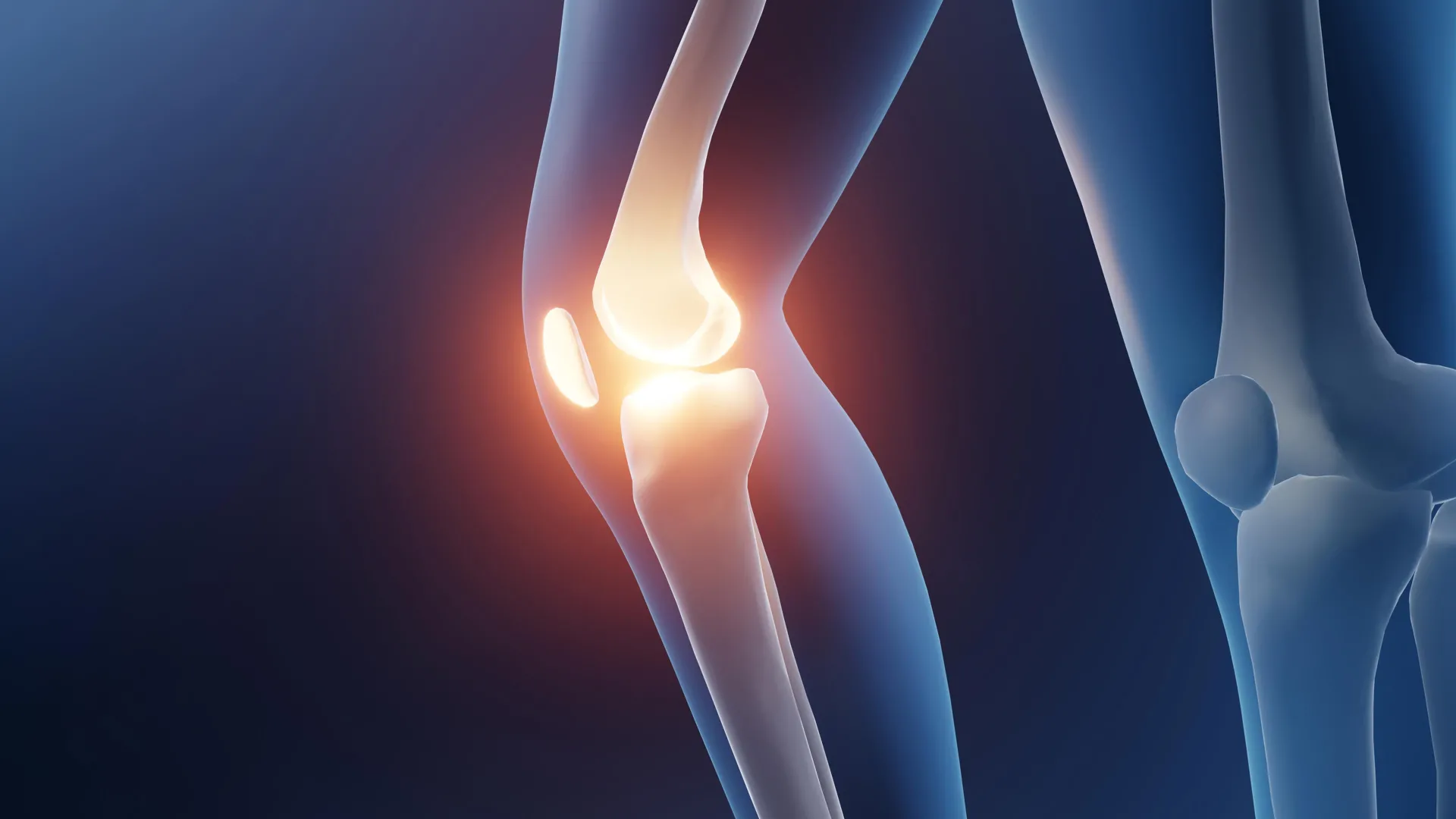
Knee osteoarthritis (OA) affects millions worldwide, causing persistent pain, stiffness, and reduced mobility. For decades, the medical community has debated the best exercise approach to manage symptoms. A groundbreaking review of 217 randomized controlled trials now provides a clear answer: aerobic exercise is the most effective strategy for reducing pain and improving function in people with knee OA. Activities like walking, cycling, and swimming consistently outperformed other exercise modalities—including strength training, flexibility work, and mind-body practices—in terms of pain relief and movement quality. However, the review also emphasizes that these other forms of exercise are not useless; they work best when combined with aerobic workouts as part of a comprehensive treatment plan. This guide translates those research findings into a practical, step-by-step program you can follow safely at home or at the gym.
Prerequisites
Before starting any exercise program for knee arthritis, take these preparatory steps:
- Consult your healthcare provider. Get clearance from your doctor or physical therapist, especially if you have severe OA, other joint conditions, or cardiovascular issues.
- Obtain proper footwear. Wear supportive, cushioned shoes designed for walking or cross-training. Avoid flat, worn-out sneakers that lack shock absorption.
- Gather basic equipment. For cycling: a stationary bike or adjustable outdoor bicycle. For swimming: access to a pool and basic swim gear. A heart rate monitor or perceived exertion scale is helpful but not mandatory.
- Warm up thoroughly. Always start with 5–10 minutes of gentle movement like leg swings, ankle circles, and slow walking to prepare your joints.
- Know your baseline. Rate your current pain on a 0–10 scale (0 = no pain, 10 = worst imaginable). Aim to stay at or below a 3 during exercise; stop if pain exceeds 5.
Step-by-Step Aerobic Exercise Plan
The following steps outline how to integrate the three most effective aerobic activities for knee OA: walking, stationary cycling, and swimming/water walking. Each activity is detailed with specific guidelines for frequency, intensity, time, type, and progression—following the FITT principle (Frequency, Intensity, Time, Type).
1. Walking
Walking is the most accessible aerobic exercise. It improves joint lubrication and strengthens the quadriceps and glutes, which support the knee.
- Frequency: Start with 3 days per week, then gradually increase to 5 days as tolerated.
- Intensity: Maintain a “conversational pace”—you should be able to talk in short sentences. Use the Rating of Perceived Exertion (RPE) scale; aim for 3–4 out of 10.
- Time: Begin with 10–15 minutes per session. Increase by 2–3 minutes each week until you reach 30–45 minutes.
- Type: Walk on flat, even surfaces (treadmill, paved paths, indoor track). Avoid uneven terrain or hills, which increase joint stress.
- Progression: Once you can walk 30 minutes without increased pain, consider adding a 1–2% incline (if using a treadmill) or very gentle hills outdoors. Monitor pain response.
2. Stationary Cycling
Cycling is low-impact and allows precise control of resistance and pedal cadence. It strengthens the quadriceps and hamstrings while sparing the patellofemoral joint.
- Frequency: 3–4 days per week, on alternate days from walking if desired.
- Intensity: Keep cadence between 60–80 rpm. Resistance should be low enough that you can pedal smoothly without standing or rocking your hips. RPE: 3–5 out of 10.
- Time: Begin with 5–10 minutes. Increase by 2 minutes per week up to 20–30 minutes.
- Type: Use a recumbent bike if upright cycling causes knee flexion >90° pain. Adjust seat height so your knee has a slight bend (15–20°) at the bottom of the pedal stroke.
- Progression: Once comfortable at 20 minutes, increase resistance slightly for 30-second intervals (e.g., every 5 minutes), then return to baseline. Avoid high-resistance standing climbs.
3. Swimming and Water Walking
Water-based exercise reduces joint loading by up to 90% due to buoyancy. It’s ideal for those with high pain levels or very limited range of motion.
- Frequency: 2–3 days per week, preferably in a warm pool (83–88°F / 28–31°C).
- Intensity: Perform laps using a flutter kick with a kickboard, or water walk in the shallow end (waist-to-chest depth). Maintain steady breathing; RPE: 3–4.
- Time: Start with 10 minutes. Increase by 2–3 minutes per week to reach 30–40 minutes.
- Type: Freestyle swimming with a gentle kick or use of a pull buoy. Water walking: walk forward, backward, and sideways using arms to create resistance.
- Progression: Increase speed of kicking or walking. Add foam dumbbells for upper body resistance while walking. Avoid excessively deep water where you must tread water vigorously.
Common Mistakes to Avoid
Even well-intentioned individuals can sabotage their progress. Watch out for these pitfalls:
- Pushing through sharp pain. Exercise should cause mild discomfort (aching) but never sharp, stabbing pain. If you feel sharp knee pain, stop immediately and reassess your form or reduce intensity.
- Skipping the warm-up and cool-down. Cold muscles and stiff joints increase injury risk. Spend 5–10 minutes warming up with walking or dynamic stretches, and cool down with gentle static holds (e.g., quad stretch, hamstring stretch).
- Overdoing it too quickly. The “no pain, no gain” mentality is dangerous for arthritic knees. Increase time, frequency, or intensity by no more than 10% per week.
- Relying solely on aerobic exercise. While aerobic is best, the review found that combining it with strength training (especially quadriceps, hamstrings, and gluteal exercises) and mind-body practices (yoga, tai chi) yields superior results. Schedule 2 days per week for resistance work.
- Ignoring footwear or equipment issues. Worn-out shoes, a low bike seat, or poor swimming technique can overload the knee. Check your gear monthly and replace shoes every 300–500 miles.
- Not monitoring pain patterns. Keep a simple log: date, exercise, duration, pain level during and after, and any swelling the next day. Use this to adjust your plan.
Summary
The comprehensive review of 217 trials confirms that aerobic exercise—particularly walking, cycling, and swimming—is the most potent non-pharmacological tool for managing knee osteoarthritis pain and improving function. Start gradually, prioritize proper form and joint-friendly surfaces, and always listen to your body. For best long-term results, combine your aerobic routine with targeted strength training and flexibility work. This integrated approach not only reduces pain but also protects your knees from further degeneration, helping you stay active and independent for years to come.
Related Articles
- Your Guide to the Best Budget Laptops Under $500
- How to Track AI Spend on Amazon Bedrock with IAM Cost Allocation
- Understanding Extrinsic Hallucinations in Large Language Models: Causes and Mitigation
- Understanding and Mitigating Extrinsic Hallucinations in Large Language Models
- How to Successfully Transition from CEO to Advisory Roles and a Fulfilling Sabbatical
- Visualizing the Lifecycle of AI Models: A Live Tracker for ELO Ratings
- Elon Musk's Legal Battle Against OpenAI Ends on a Technicality: A Timeline of Events
- Smart Water Bottles and Cash Incentives Fail to Curb Repeat Kidney Stones in Landmark Study